What does a Martha’s Vineyard village feel like when it is busy in summer but still rooted in fields, trails, and familiar community rituals? If you are drawn to a quieter island rhythm, West Tisbury offers a lifestyle that feels distinctly seasonal without taking on a resort-town pace. From market mornings to beach planning and year-round arts programming, this guide will help you picture how life moves through the seasons in West Tisbury Village. Let’s dive in.
West Tisbury at a Glance
West Tisbury covers 34 square miles and has a year-round population of 3,151, according to the town. In summer, that number grows several times over, which helps explain why the village can feel calm in one moment and more active in the next.
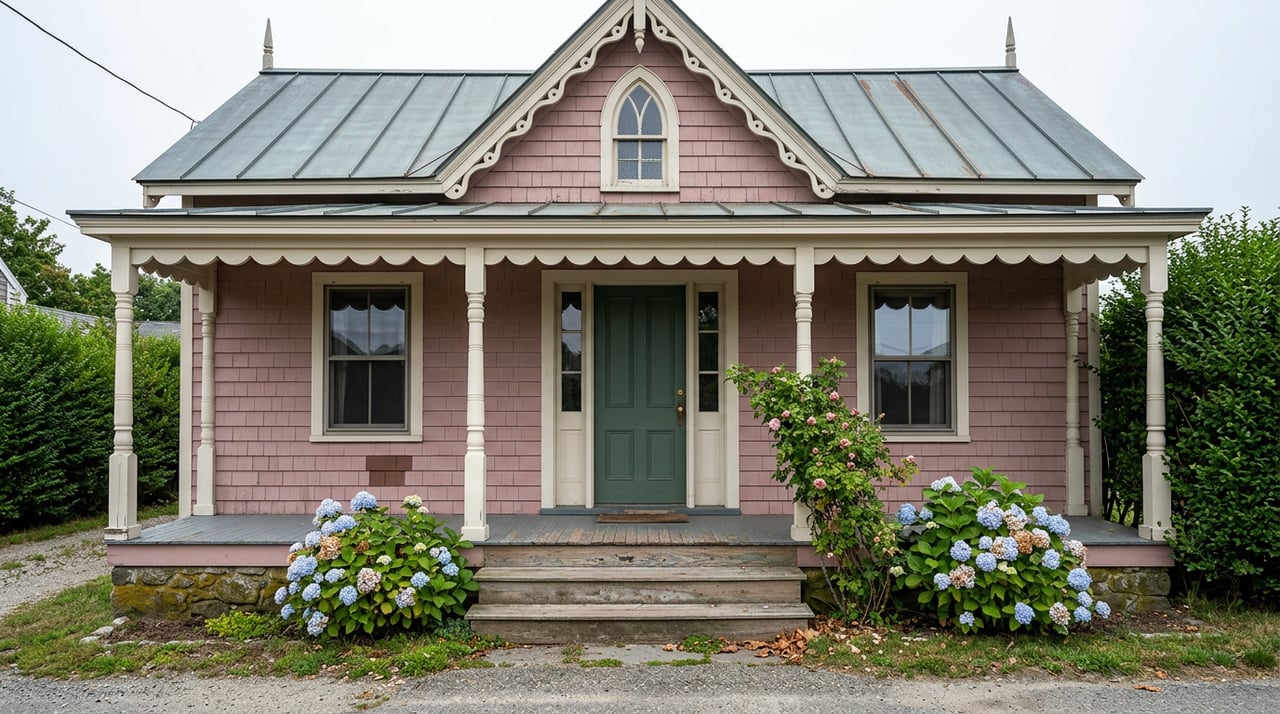
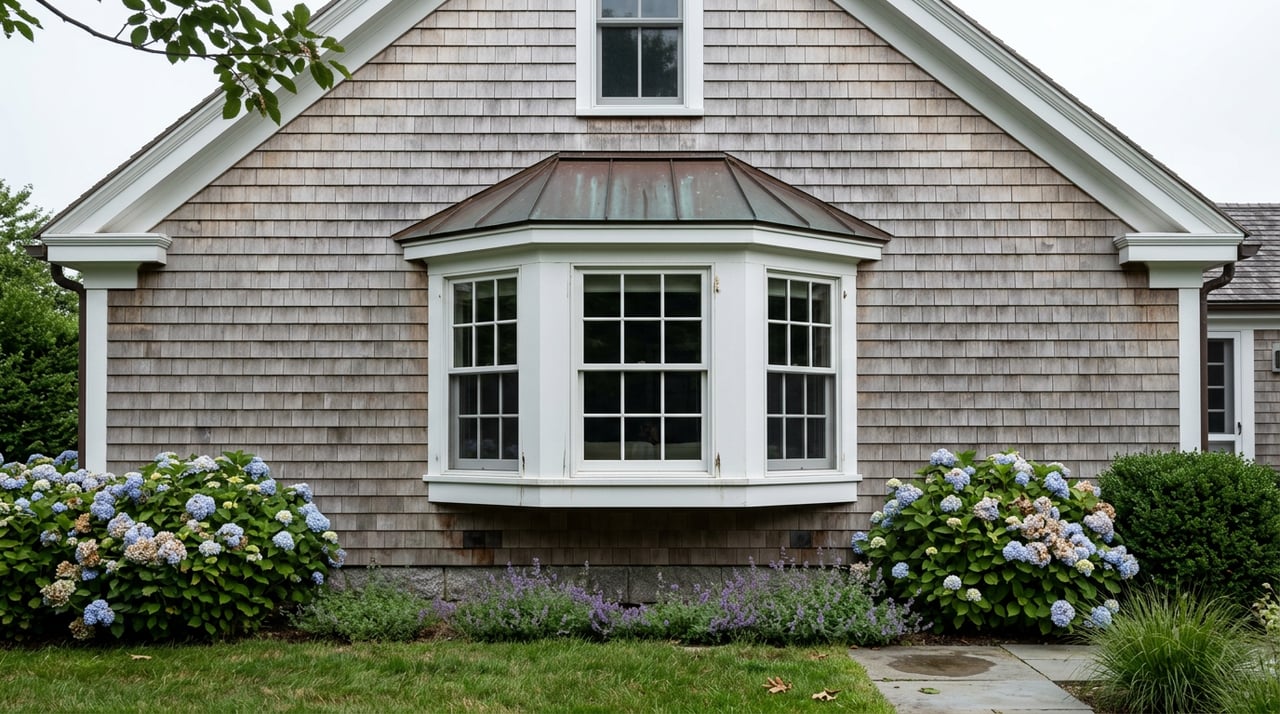
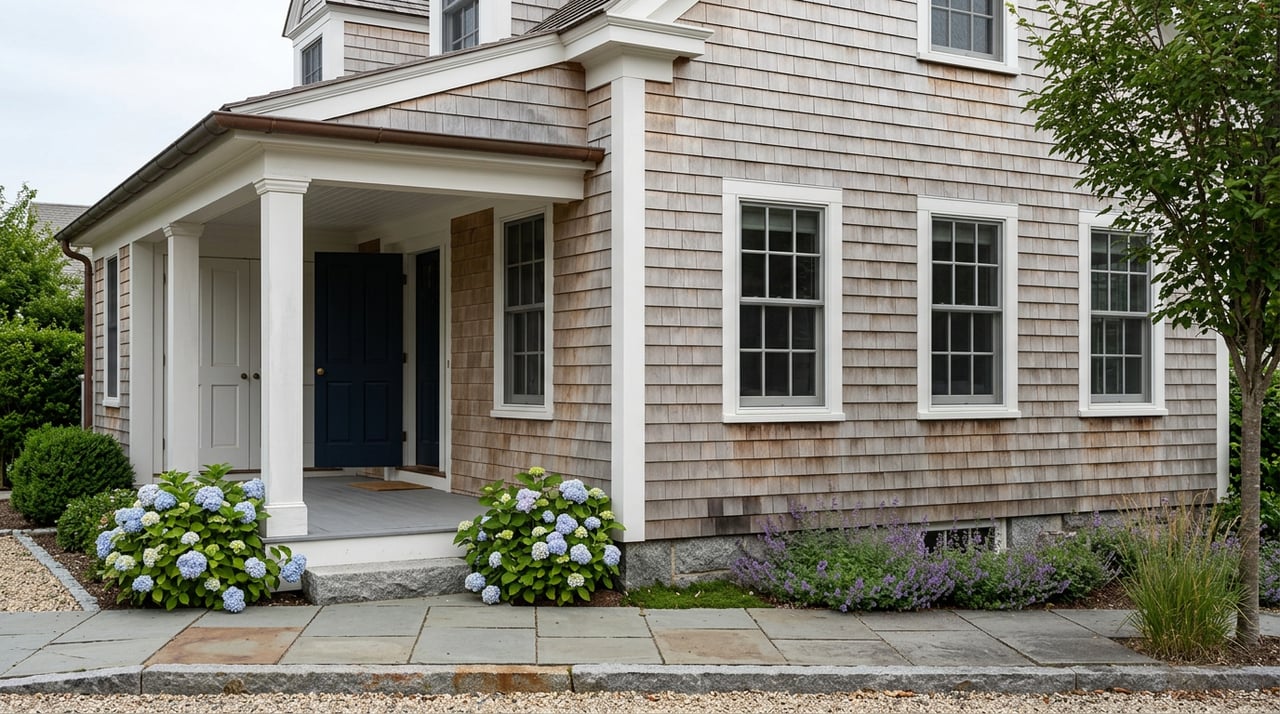
Official town descriptions highlight West Tisbury’s rural atmosphere and neighborly sense of community. Historic district guidance also points to the defining features of the area: woodland, farmland, open land, and clusters of older public buildings and homes.
The Martha’s Vineyard Commission groups West Tisbury with Chilmark and Aquinnah as the island’s more rural up-island towns. That distinction matters if you are comparing lifestyles, because West Tisbury offers a smaller-scale village experience than the busier commercial centers down-island.
Village Life Feels Small-Scale
West Tisbury Village is not built around dense retail or constant activity. The Martha’s Vineyard Commission notes that the village center is a growing hub for events, activities, and transit, but it still operates on a more modest scale than down-island town centers.
That smaller footprint is part of the appeal. Historic district guidelines emphasize discreet parking, careful additions, and visually unobtrusive modern equipment, which helps preserve the low-clutter, private feel that many buyers and seasonal residents value.
If you are looking for an everyday setting that feels composed rather than crowded, West Tisbury often delivers that balance. Even in summer, the atmosphere is shaped as much by landscape and community habits as by commerce.
Summer Starts at the Market
One of the clearest signs of the season is the West Tisbury Farmers Market. In 2026, it runs from June 6 through October 31 on Wednesdays and Saturdays from 9 a.m. to noon at the Martha’s Vineyard Agricultural Hall on Panhandle Road, with some August weeks shifting to the Grange Hall.
The market describes itself as the island’s oldest large open-air market, with roots going back to 1934 and a revival in 1974. That long history helps explain why it feels like more than an errand stop. For many people, it becomes part of the weekly routine.
This is the kind of place where seasonal life becomes visible. You see the repeated rhythms of summer in a very practical way: produce, prepared foods, conversations, and familiar faces returning week after week.
Farmstands Shape Daily Rhythm
West Tisbury’s agricultural identity extends beyond the market. North Tisbury Farm describes itself as a roadside farm stand open spring through fall, while Whippoorwill Farm’s stand on Old County Road is open daily during daylight hours with changing seasonal inventory.
Those details may seem small, but they shape how the village feels. Instead of relying on a concentrated shopping district, many daily stops happen across a rural landscape, with the season reflected directly in what is available and when.
The Martha’s Vineyard Agricultural Society describes the Ag Hall as the heart of the island’s farming and producing community. For homeowners and visitors alike, that reinforces a lifestyle tied to local food, seasonality, and face-to-face exchange.
Community Events Mark the Calendar
In West Tisbury, the social season often follows the Agricultural Society’s event calendar. The 2026 fair runs August 13 through 16, and the society also hosts events such as the Barn Raisers Ball, Farmers Social, Farmworkers Social, Meat Ball, and Harvest Festival.
These gatherings give the town a strong sense of seasonal structure. Rather than revolving around nightlife or heavy retail traffic, many summer traditions here center on community events with local roots.
At the same time, the Agricultural Society’s history notes growing summer crowds and parking pressure. That is a useful reminder that West Tisbury’s quiet is real, but it is also seasonal and shared.
Arts Stay Active Year-Round
West Tisbury’s cultural life is one of its most underrated strengths. Grange Hall is a major anchor in the village, and Vineyard Preservation Trust says it hosts more than 180 events each year, including art shows, nonprofit events, the Artisans Market, and fairs.
Its second-floor theater is home to Circuit Arts, which offers theater, music, and films year-round. That makes a difference if you want access to meaningful programming without depending entirely on down-island venues.
The result is a village cultural scene that feels integrated into everyday life. You do not need a high-energy downtown for the town to feel active and interesting.
Galleries and Gardens Add Texture
West Tisbury also has a quieter cultural rhythm shaped by galleries and gardens. The Granary Gallery is open year-round, while Field Gallery and North Water Gallery operate seasonally.
Polly Hill Arboretum adds another year-round destination, with grounds open daily from sunrise to sunset. Its visitor center and plant sales operate seasonally, reopening May 23, 2026.
For many people, these places help define the town’s character. They offer reasons to stay engaged with the landscape and local creative life long after peak summer weekends.
Outdoor Access Is a Major Draw
If you value space and outdoor access, West Tisbury stands out. Manuel F. Correllus State Forest sits in the center of Martha’s Vineyard with more than 5,300 acres, miles of trails, a paved shared-use path, and free parking off Barnes Road, West Tisbury Road, and Old County Road.
The Dukes County trail guide also identifies Blackwater Pond Reservation, Christiantown Woods, and Cedar Tree Neck as West Tisbury-area destinations. Christiantown Woods also functions as a trail node leading north toward Vineyard Sound via Cedar Tree Neck Sanctuary.
This network helps explain why West Tisbury can feel quiet without feeling cut off. You have room to move, explore, and settle into the landscape in a way that is harder to find in denser town centers.
Beaches Require a Bit More Planning
West Tisbury’s beach access matches its overall personality: low-key, appealing, and a little more controlled. Lambert’s Cove Beach is managed for residents and guests, and in 2026, stickers go on sale June 13. Beach hours are 7 a.m. to 9 p.m., with lifeguards on duty from June 27 through Labor Day.
Long Point Wildlife Refuge offers another version of that lower-density experience. The Trustees says summer entry is reservation-based through September 14, 2026, with set daily time windows.
For buyers and seasonal owners, this means beach days often involve a little planning ahead. In return, the experience tends to feel more orderly and less crowded than in more heavily trafficked destinations.
Transit Supports Seasonal Movement
Even with its rural setting, West Tisbury is connected. The Martha’s Vineyard Transit Authority provides year-round service to all six towns, with peak-season service typically running from May through October, though routes and frequency shift by season.
That can be especially helpful in summer when activity increases across the island. Whether you are heading to the village, the beach, or another town, transit adds flexibility without changing West Tisbury’s quieter core identity.
West Tisbury Compared With Down-Island
If you are deciding where to spend time or where to buy on Martha’s Vineyard, the contrast with down-island towns is useful. The Martha’s Vineyard Commission notes that about three quarters of the county population is concentrated down-island in towns with busier commercial centers, while West Tisbury is part of the more rural up-island group.
In practical terms, that usually means your daily routine looks different here. You may be more likely to plan around market mornings, farmstand stops, trail walks, beach access windows, and arts events than around shopping districts or nightlife.
For many second-home buyers and seasonal owners, that is exactly the point. West Tisbury offers privacy, landscape, and community traditions in a setting that remains active without feeling overstimulated.
Why Seasonal Rhythm Matters in Real Estate
Understanding West Tisbury’s seasonal pattern can help you make a better real estate decision. The village experience changes throughout the year, and that affects how you use a home, host family and guests, or think about seasonal ownership.
If you are considering a purchase, it helps to look beyond square footage and finishes. In West Tisbury, value is also tied to how close you are to village routines, trail access, farm activity, arts programming, and the practical realities of summer movement.
If you already own here, seasonal rhythm also influences how a property is presented and managed. For owners who use their homes part-time, thoughtful planning around peak season can make ownership smoother and more enjoyable.
West Tisbury rewards people who appreciate a quieter kind of island life. If that is the atmosphere you want, understanding the cadence of the village is an important first step.
If you are exploring West Tisbury properties or planning your next move on Martha’s Vineyard, Susan Anson offers a thoughtful, owner-led approach with local insight tailored to seasonal ownership.
FAQs
What is seasonal life like in West Tisbury Village?
- Seasonal life in West Tisbury Village is shaped by farmstands, the farmers market, community events, trails, beach planning, and year-round arts programming in a smaller-scale village setting.
When is the West Tisbury Farmers Market open?
- In 2026, the West Tisbury Farmers Market runs from June 6 through October 31 on Wednesdays and Saturdays from 9 a.m. to noon, primarily at the Martha’s Vineyard Agricultural Hall.
What community events define West Tisbury’s summer season?
- The Agricultural Society’s calendar is a major part of the social season, including the fair from August 13 through 16 in 2026, along with events such as the Barn Raisers Ball, Harvest Festival, and other gatherings.
What arts venues are in West Tisbury Village?
- Grange Hall is a major cultural anchor with more than 180 events a year, and Circuit Arts offers theater, music, and films year-round from its second-floor theater.
What outdoor areas are near West Tisbury Village?
- Nearby outdoor destinations include Manuel F. Correllus State Forest, Blackwater Pond Reservation, Christiantown Woods, and Cedar Tree Neck.
How does beach access work in West Tisbury?
- Lambert’s Cove Beach is managed for residents and guests, while Long Point Wildlife Refuge uses a reservation-based summer entry system with set daily time windows.
How is West Tisbury different from down-island towns?
- West Tisbury is generally quieter, more rural, and more dispersed, with a lifestyle centered on landscape, privacy, and seasonal community rituals rather than larger commercial centers.
Is West Tisbury a good fit for seasonal homeowners?
- West Tisbury may appeal to seasonal homeowners who value privacy, outdoor access, arts and agriculture, and a calmer Martha’s Vineyard setting with established summer traditions.