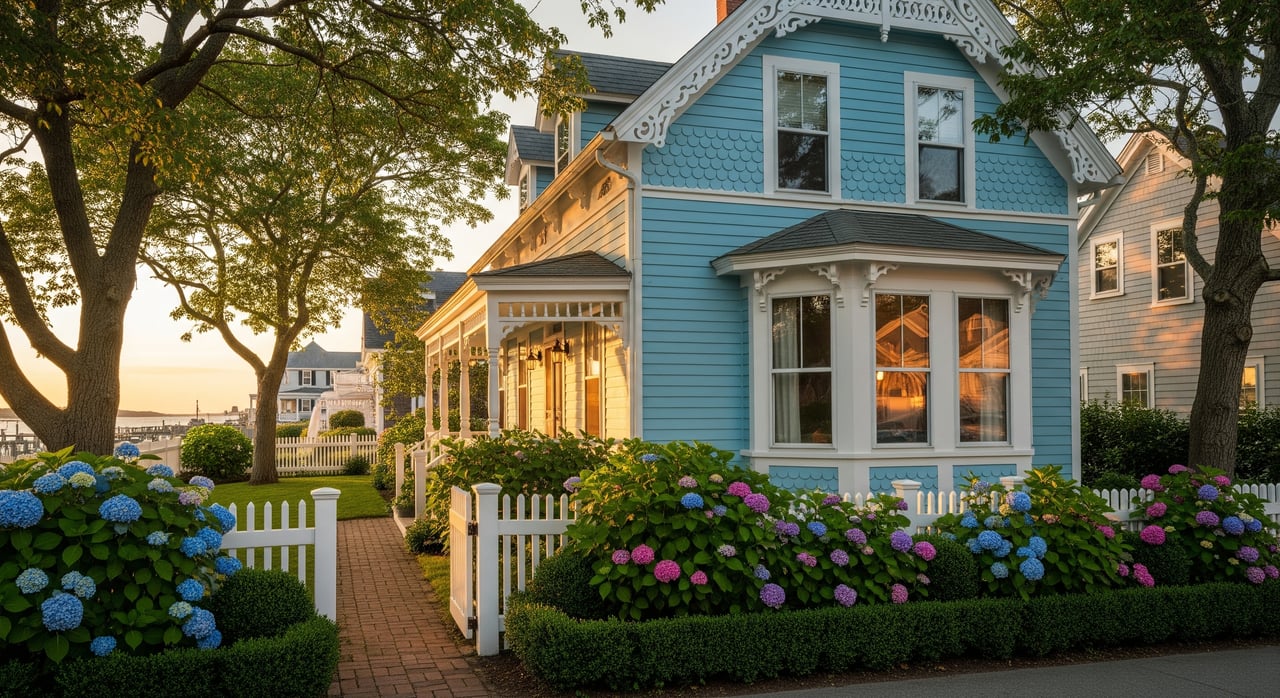
Picture yourself on a front porch, coffee in hand, surrounded by storybook trim and the hum of summer in Oak Bluffs. If the Gingerbread cottages have captured your imagination, you are not alone. These homes offer charm and walkability that are hard to find, but they also come with historic rules, small lots, and island‑specific considerations. In this guide, you will learn how the Cottage District works, what to watch for in inspections and permits, and how to buy with confidence in 02557. Let’s dive in.
Why the Cottage District stands out
Historic design and ambiance
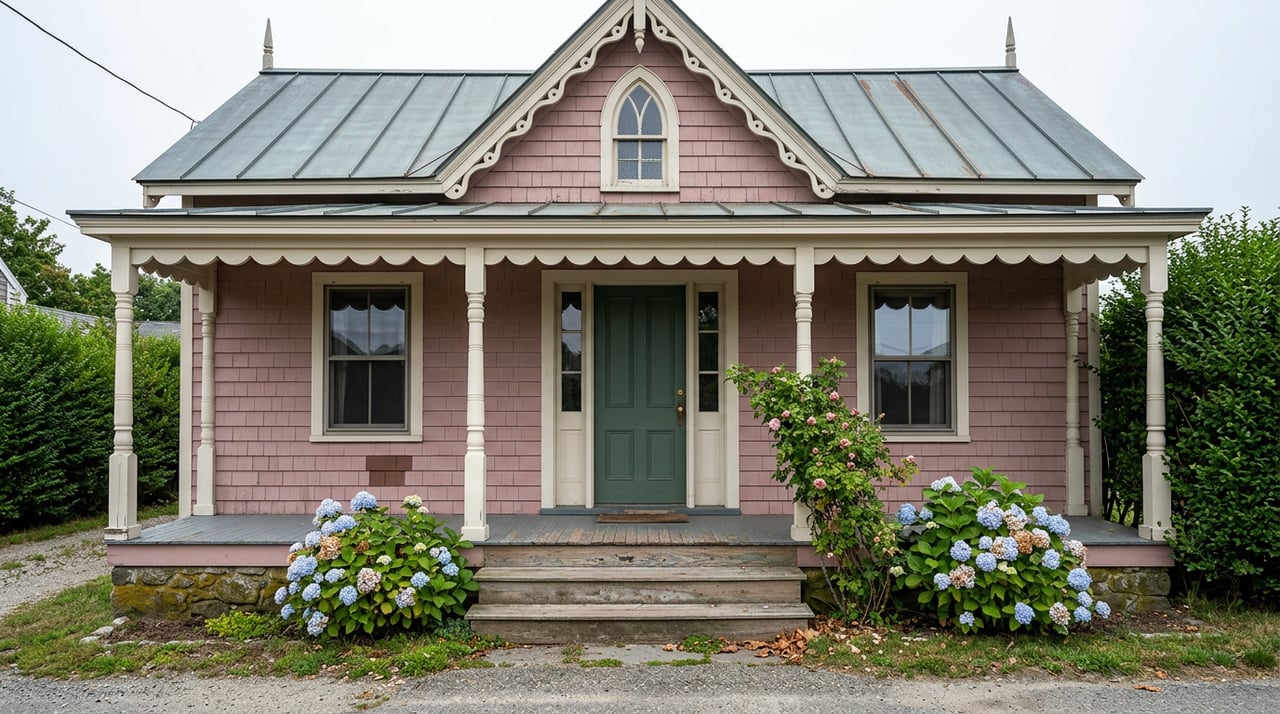
Oak Bluffs’ Cottage District, often called the Campground or Gingerbread Cottages, began as a 19th‑century camp meeting community. You will see tightly clustered Victorian cottages with steep gables, elaborate trim, vertical siding or shingles, and inviting porches facing shared greens and narrow lanes. The area is broadly recognized as a historic district, and its appearance is actively stewarded.
Local oversight helps preserve character. The Martha’s Vineyard Camp Meeting Association provides guidelines for cottage exteriors, porches, and visible details. If you value history, scale, and a front‑porch lifestyle, this neighborhood delivers an authentic Vineyard experience with a strong sense of place.
Seasonal rhythm and lifestyle
The Cottage District has deep seasonal roots. Summer brings events, visitors, and energy near the harbor and downtown. Winter is quieter, though many cottages have been upgraded for year‑round living. You will find a mix of second homes, seasonal rentals, and some year‑round residents. That mix shapes parking, noise expectations, and daily rhythms, especially in peak season.
What to expect from properties
Lot size and layout
Lots are compact and cottages sit close together. Private yards are limited, and many homes front shared greens or narrow streets. Because of the historic layout, options for big additions, garages, or new driveways are often constrained. Plan on living more on the porch and in the neighborhood than in a large backyard.
Construction and systems
Most cottages are wood‑frame structures from the late 1800s or early 1900s. Interiors are typically modest in size with narrow staircases and small kitchens or baths. Some homes have been carefully expanded or reconfigured, often by finishing attic space or adding small rear additions. Systems can vary widely. You may encounter upgraded electrical, plumbing, heating, and insulation, or you may find older elements such as knob‑and‑tube wiring or minimal insulation. Expect a wide range of conditions, even on the same street.
Utilities, sewer or septic, and water
Many island properties rely on onsite septic systems governed by Massachusetts Title 5 rules. Some parts of Oak Bluffs have municipal sewer and water, but availability can vary by parcel. Always confirm connections and permitting status with the Town of Oak Bluffs health and building offices. If a property has a private system, request recent Title 5 inspection documentation and be prepared for upgrade costs if an inspection fails or if you plan to expand bedroom count.
For reference, you can review Massachusetts guidance on septic systems under Title 5. For property‑specific verification, contact the Town of Oak Bluffs Building Department and Board of Health.
Flood exposure and parking
Parts of Oak Bluffs are in FEMA‑mapped flood zones and can be exposed to coastal storm surge. Foundation type, elevation, and drainage all influence risk and insurance costs. If the home is in a mapped flood zone and you plan to use a mortgage, flood insurance is generally required. Check the FEMA Flood Map Service Center to identify flood zones and base flood elevations for any address you are considering.
Parking is often limited. Many cottages do not have dedicated off‑street spaces or only have compact driveways. If you expect regular summer guests, evaluate parking and storage as part of your decision.
Preservation and permits
MVCMA rules and exterior changes
In the Campground, exterior work is not a “do first, ask later” situation. The Martha’s Vineyard Camp Meeting Association plays a central role in preserving the look and feel of the cottages. Porch repairs, trim replication, color choices, and additions often require review and approval before work begins. Obtain the latest cottage owner guidelines and bylaws directly from the Martha’s Vineyard Camp Meeting Association and confirm any association fees or covenants.
Town reviews and building permits
Most structural or exterior work also requires municipal permits. If the change is visible from a public way, historic review may apply. Setbacks, lot coverage, and accessory structures are regulated by the zoning and building offices. Before you plan a renovation, speak with the Town of Oak Bluffs to clarify what is allowed and what needs approval.
Environmental and health regulations
Title 5 rules govern septic systems, including failures and upgrades. Space constraints, nitrogen sensitivity, and proximity to wetlands can limit options and add cost. FEMA floodplain rules affect elevation requirements, floodproofing, and ultimately insurance pricing. For coastal or near‑wetland parcels, you may also need state or local approvals for decks, steps, or additions. Confirm these layers early so you can set realistic timelines and budgets.
Coordinating multiple approvals
Historic preservation goals sometimes pull against energy efficiency or elevation upgrades. It is common to navigate several authorities at once. Successful projects align plans with MVCMA guidelines, town building and historic requirements, septic capacity, and floodplain standards. Early coordination helps you avoid rework and delays.
Market and resale dynamics
What drives demand
The Cottage District’s appeal is emotional and practical. You get iconic architecture, a porch‑centric lifestyle, and walkable access to downtown, the harbor, and ferries. Because every cottage is unique and inventory is limited, well‑maintained and thoughtfully updated homes often command strong interest. Some owners also value seasonal rental potential, although you should confirm local rental rules before relying on income.
Risks to underwrite
Alongside strong demand, there are real considerations. Small lots and older systems can limit expansion and add costs. Seasonal activity can bring noise and parking pressure in peak months. Flood insurance requirements may change with updated FEMA maps, which can affect long‑term carrying costs. When you account for these factors up front, you protect your future enjoyment and your resale position.
Your due diligence checklist
Use this short list to move from interest to clarity before you write an offer:
- Confirm sewer and water: Identify whether the property is on municipal sewer or has a private septic system. Request any recent Title 5 report and clarify capacity if you plan to add bedrooms.
- Check flood exposure: Identify the flood zone and base flood elevation on FEMA maps, then ask an insurer for preliminary premium guidance based on current and proposed elevation.
- Gather documentation: Ask the seller for permits, past work history, and any MVCMA or trustee approvals for exterior changes. Confirm association fees or covenants.
- Understand parking and storage: Verify off‑street parking, storage, and any restrictions on sheds or accessory structures.
- Inspect for age‑related issues: Plan an inspection with an expert in historic cottages. Focus on structure, foundation type, porches, roofing, electrical, plumbing, heating, insulation, ventilation, moisture, and pests.
- Budget realistically: Get early estimates for system upgrades, insulation, foundation work, or septic changes, especially if converting to year‑round use.
Questions to ask the seller
- What is the current sewer or septic setup, and do you have recent Title 5 documentation?
- What exterior changes have been approved by MVCMA or the town, and do you have permits?
- Have there been water intrusion, roof leak, or foundation issues, and how were they addressed?
- What is the typical parking arrangement during peak season?
- Are there any annual association fees, rules, or special assessments?
Renovation and upgrade strategy
Preserve the magic, modernize the systems. That is the guiding approach in the Cottage District.
- Prioritize safety and function: Update electrical, plumbing, and heating before cosmetic changes.
- Improve comfort discreetly: Add insulation and air sealing where feasible without altering the exterior. Consider reversible interior upgrades.
- Respect historic details: Repair and replicate visible trim, porches, and rooflines rather than remove them. Use sensitive color palettes consistent with neighborhood character.
- Plan additions carefully: Small, sympathetic additions may be possible with approvals. Coordinate early with MVCMA and the town to align designs and timelines.
Costs and timelines to expect
- Island logistics: Materials and crews can be more costly than on the mainland, and scheduling often tracks with the seasons. Build in extra time for delivery and labor availability.
- Historic unknowns: Older structures can hide surprises such as rot, outdated wiring, or structural shoring needs. Include a contingency in your budget.
- Year‑round conversion: If you plan to use the cottage in winter, you may need additional insulation, HVAC, foundation work, and possibly septic redesign to meet Title 5 expectations.
- Insurance and compliance: Factor in potential flood insurance costs and any elevation or floodproofing steps required for future work.
Who to have on your team
- Local real estate agent with specific Cottage District experience
- Home inspector with historic cottage expertise
- Preservation‑minded architect or consultant who knows MVCMA rules
- Licensed septic engineer and surveyor
- Coastal and flood specialist if flood exposure is possible
- Island contractor with permitting and logistics experience
- Real estate attorney to review title, covenants, and association documents
Is the Cottage District right for you?
If you want a front‑porch summer, walkable streets, and a home with a story, the Cottage District is hard to beat. You will trade big backyards and easy expansions for character, community, and proximity to the harbor and downtown. With the right due diligence and a team that knows this micro‑market, you can enjoy the experience and protect your investment in 02557.
If you would like tailored guidance on a specific cottage, permits, or rental potential, request a private consultation with Susan Anson. Our boutique, owner‑led approach helps you evaluate fit, manage due diligence, and plan upgrades that honor history while improving comfort.
FAQs
Are Gingerbread cottages in Oak Bluffs seasonal or year‑round?
- Many began as seasonal homes, and a large share have been upgraded for year‑round use; confirm insulation, heat, foundation, and permits for any specific cottage.
Can I change the exterior or add space to a Cottage District home?
- Exterior changes often need approvals from the Martha’s Vineyard Camp Meeting Association and the town; small, sympathetic additions can be possible with early coordination.
How do I check flood risk for a cottage in 02557?
- Use the FEMA Flood Map Service Center to view the property’s flood zone and base flood elevation, then consult an insurer for premium estimates.
Do Gingerbread cottages have septic or sewer service?
- Some Oak Bluffs properties are on municipal sewer and water, while others use onsite septic systems governed by Title 5; verify status with the town.
What are common inspection issues with historic cottages?
- Inspect foundations and porches for rot, roof and flashing for leaks, electrical for outdated wiring, plumbing and heating for age, and insulation and ventilation for moisture control.
Will I pay a premium for a Cottage District home?
- Often yes; unique historic character, walkability, and limited inventory support premiums, so rely on current, hyperlocal comps to establish value.