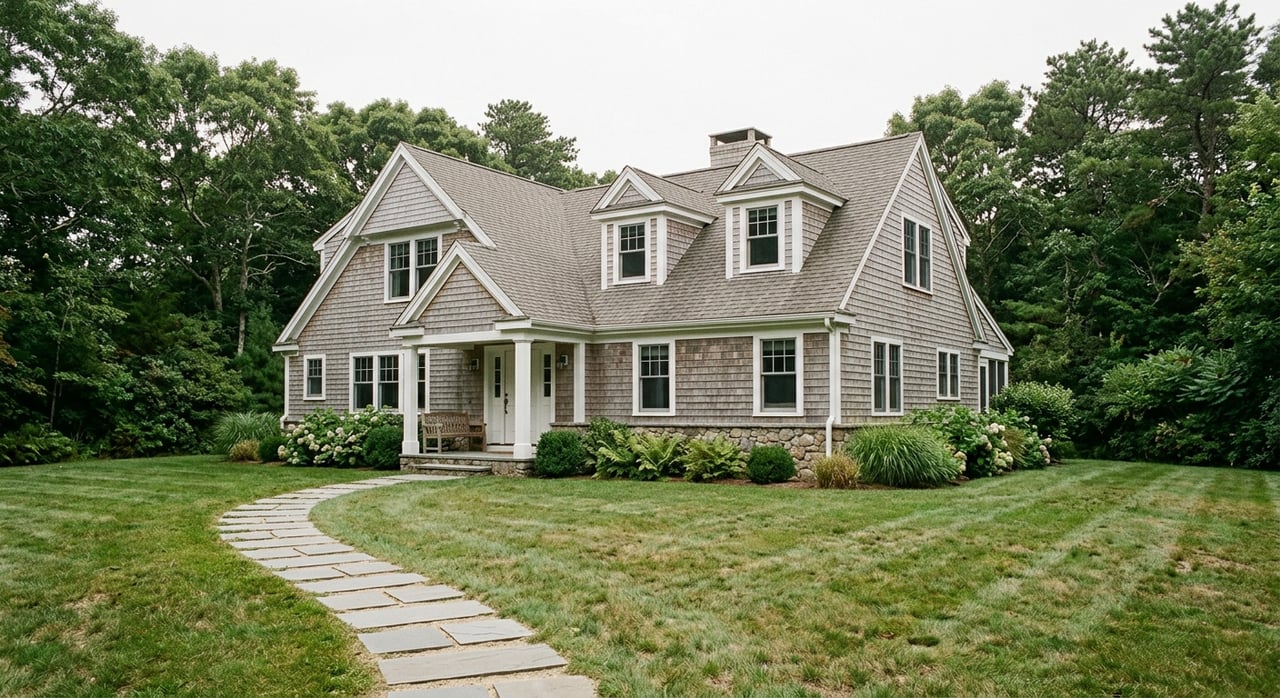
Torn between buying raw land for your dream build or an existing home you can enjoy right away in West Tisbury? You are not alone. The right choice comes down to your timeline, tolerance for permitting and construction, rental goals, and budget. This guide gives you a simple decision framework, the local rules that matter most, and the real costs and steps so you can move forward with confidence. Let’s dive in.
Start with your priorities
Choose an existing home if you want:
- Faster use with fewer surprises and simpler financing.
- Known systems that already meet Title 5 and building standards.
- Predictable carrying costs and a quicker path to seasonal enjoyment.
Choose land if you want:
- More acreage, privacy, and design control.
- A custom layout and siting that fit how you live.
- The patience and budget to handle multi‑agency reviews, seasonal schedules, and construction.
Zoning and buildability in West Tisbury
Before you fall in love with a parcel, confirm it can support what you plan to build. The town’s Dimensional Table sets minimum lot sizes: Rural (RU) and Village Residential (VR) require 3 acres, Mixed Business (MB) requires 40,000 square feet, and Light Industrial (LI) requires 1 acre. Newly endorsed RU lots must also satisfy minimum non‑wetland, buildable land calculations. Review the current rules in the town’s Zoning Bylaws.
Wetlands and water protections shape what is truly usable on many up‑island parcels. The Conservation Commission reviews work near resource areas and may limit the building envelope or require mitigation. Read the town’s Wetlands Protection guidance and plan a professional wetlands flagging before you budget a homesite.
When MVC review may apply
Some projects and subdivisions require regional review by the Martha’s Vineyard Commission. The current DRI checklist sets lower subdivision thresholds, including 3 lots in rural areas and 5 in non‑rural areas. Other triggers can include habitat, farmland, acreage, or project scale. MVC review adds scoping, public hearings, possible mitigation, and time. Study the MVC DRI Checklist early if you hope to divide land or build at larger scale.
If rental income matters
West Tisbury regulates short‑term rentals. You must register with the town, meet a two‑night minimum, occupy the property at least 30 days each year, and you are limited to one registered STR per owner. Inspections and renewals apply. If rentals are part of your plan, review the town’s STR registration program before you buy.
Bedroom count and guest occupancy are often tied to septic capacity under Title 5. Confirm bedroom limits and any innovative/denitrifying system requirements with the Board of Health during due diligence.
Timelines and approvals to build on land
Here is a common path for a new home on a raw parcel in West Tisbury:
- Confirm zoning, setbacks, and any recorded restrictions or easements.
- Hire a surveyor, stake boundaries, and complete soil tests for septic sizing.
- Design the septic and submit for Board of Health approval. Innovative or denitrifying systems may be required in sensitive watersheds.
- File with the Conservation Commission if work falls within regulated resource areas.
- Apply to the Planning Board or Zoning Board as needed for site plan, subdivision, or special permits.
- Submit a full building permit package and track inspections through the town’s Building Department online system.
Each step can add weeks to months for surveys, engineering, public notices, and hearings. If MVC referral is triggered, expect additional scoping and hearing time. On the Vineyard, add seasonal buffers for site work and trade availability.
After permits: build time and island realities
A custom home often takes 8 to 12 months to construct once you break ground, with complex projects running longer. Island logistics, ferry schedules, and seasonal site windows can extend that timeline. Build with a realistic cushion in both time and contingency.
Costs and financing at a glance
Financing differences:
- Raw land usually requires higher down payments and shorter terms than a standard mortgage. Many lenders look for about 20 to 50 percent down on land, depending on whether the lot is raw or improved. Construction loans fund the build in draws and may convert to a permanent mortgage. See common structures in this construction and land loan overview.
Hard and soft costs to budget:
- Land price, survey, perc tests, septic design and install, well or water connection, site clearing, driveway and utilities, architectural and engineering fees, and permits. Builder costs vary widely by design and finishes.
- For build cost per square foot, Massachusetts ranges often run about $200 to $350 per square foot for many mid‑range custom homes, with broader ranges from roughly $150 to $400+ depending on complexity. Island logistics can push costs higher. See statewide context on typical build costs.
- Septic can be a major line item. Innovative or denitrifying systems in sensitive watersheds can add tens of thousands of dollars. Local reporting cites many upgrade projects in the $35,000 to $50,000+ range depending on site and system. Read a Vineyard example on denitrifying septic upgrades. Confirm local rules with the Board of Health.
Carrying costs while you hold land:
- Interest on land or bridge loans, property taxes, insurance, road association dues, maintenance, and design team retainers. If any portion of the site is in a FEMA Special Flood Hazard Area, factor in survey and insurance needs. See state guidance on coastal permitting considerations.
A simple decision checklist
Use this checklist before you make an offer on land or a home in West Tisbury:
- Confirm the zoning district, minimum lot size, setbacks, and whether the lot is conforming.
- Ask for any recorded conservation or agricultural restrictions, scenic road status, or driveway rules.
- Order a wetlands delineation and verify buffers that can limit the buildable envelope.
- Review perc test results, septic design, and whether an innovative or denitrifying system will be required.
- Verify well status and water quality, or plan a well permit and drilling budget.
- Check for flood zone status and whether an elevation certificate exists.
- Search town records for open permits, prior denials, and any pending applications.
- If rental income is part of the plan, confirm short‑term rental eligibility, bedroom capacity, inspections, and renewal fees.
- Speak with lenders about land and construction loan options, required down payment, reserves, and rate lock strategies.
- Build a written timeline and cash‑flow plan that includes two years of carrying costs and a 10 to 25 percent contingency for construction.
How we help you choose with confidence
When you are deciding between land and a home, you deserve clear answers, not guesswork. We help you test feasibility quickly by confirming zoning and wetlands constraints, coordinating early septic and site reviews, and pressure‑testing rental assumptions under West Tisbury’s STR rules. If you buy a home, we guide you through inspections and upgrades. If you buy land, we connect you with island architects, engineers, and builders to keep your schedule realistic and your risk contained. For seasonal owners, our rental marketing and management can help you operate within town rules while protecting guest experience and yield.
Ready to discuss your goals and see on‑target options in West Tisbury? Connect with Susan Anson to Request a private consultation.
FAQs
What are West Tisbury’s minimum lot sizes for building a home?
- RU and VR districts require 3 acres, MB requires 40,000 square feet, and LI requires 1 acre. New RU lots must also meet minimum non‑wetland buildable area rules.
How long does a new home build take on Martha’s Vineyard?
- After permits, many custom builds take 8 to 12 months, with complex projects taking longer. Plan extra time for island logistics and seasonal work windows.
Do I need Martha’s Vineyard Commission review to subdivide land?
- Often yes. Subdivision can trigger MVC referral at 3 lots in rural areas or 5 lots in non‑rural areas, with added review time and possible mitigation.
Can I operate a short‑term rental in West Tisbury if I buy a home?
- Yes, with limits. You must register, meet a two‑night minimum, occupy the property at least 30 days per year, and you are limited to one registered STR with inspections and renewals.
What extra costs should I expect when building on raw land in West Tisbury?
- Beyond land price and construction, budget for survey, perc tests, septic design and install, well work, site clearing and utilities, permits, and a 10 to 25 percent contingency. Innovative septic systems can add tens of thousands of dollars.