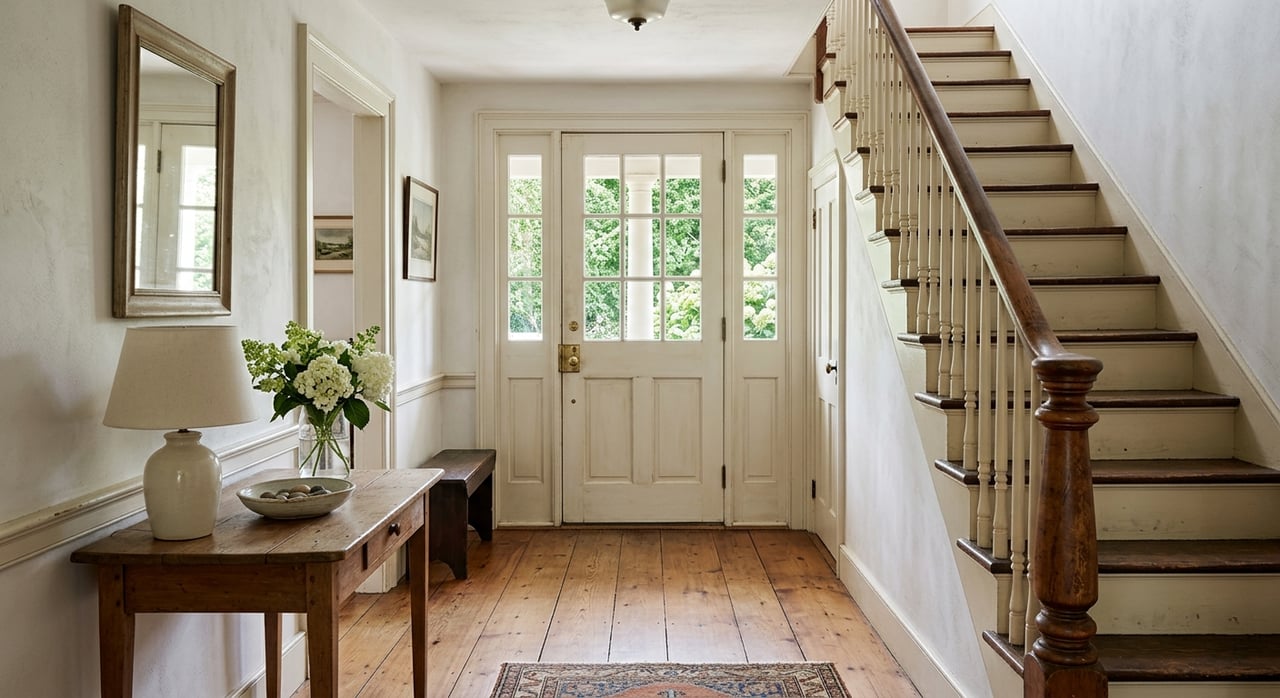
Wondering how to prepare a historic Edgartown home for today’s buyers without stripping away the character that makes it special? If you own a period property in Edgartown, you are balancing two goals at once: honoring the house’s architectural identity and presenting it in a way that feels easy, functional, and well cared for. The good news is that you do not need to turn a historic home into something it was never meant to be. With the right plan, you can highlight its history, reduce buyer uncertainty, and show that it is ready for modern living. Let’s dive in.
Why historic context matters in Edgartown
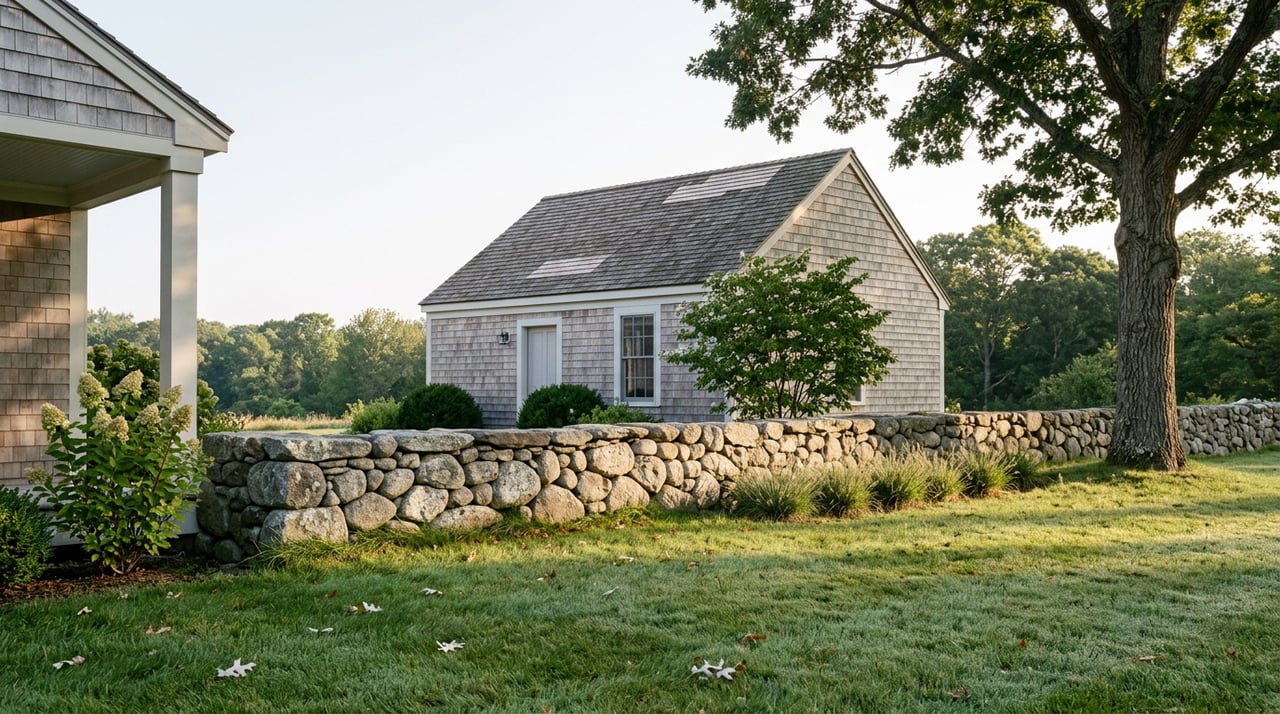
Historic homes are a meaningful part of Edgartown’s identity, especially in and around the village. Edgartown’s Master Plan states that the village historic district has been on the National Register since 1983, that the local historic district was established in 1987 and expanded in 2016, and that it covers 676 buildings across 185 acres.
That scale matters when you are preparing to sell. This is not a small specialty pocket of town. It is a well-established historic setting where pre-1900 buildings are concentrated downtown, Greek Revival is the dominant style, and exterior changes may face review.
For many sellers, that means the smartest pre-listing strategy is not a dramatic exterior makeover. It is usually a more careful approach focused on maintenance, documentation, and updates that respect the home’s existing character.
Start with what buyers came to see
If a buyer is touring a historic Edgartown home, they are there for a reason. They want original detail, proportion, craftsmanship, and a sense of place that newer construction often cannot replicate.
That is why preservation-minded preparation tends to work so well. The National Park Service guidance on rehabilitation emphasizes retaining and preserving historic character, repairing deteriorated features rather than replacing them when possible, and making sure any replacement matches the original design, color, texture, and, where possible, materials.
In practical terms, your first question should not be, “What can I replace?” It should be, “What can I preserve, repair, and present more clearly?”
Focus on visible exterior maintenance
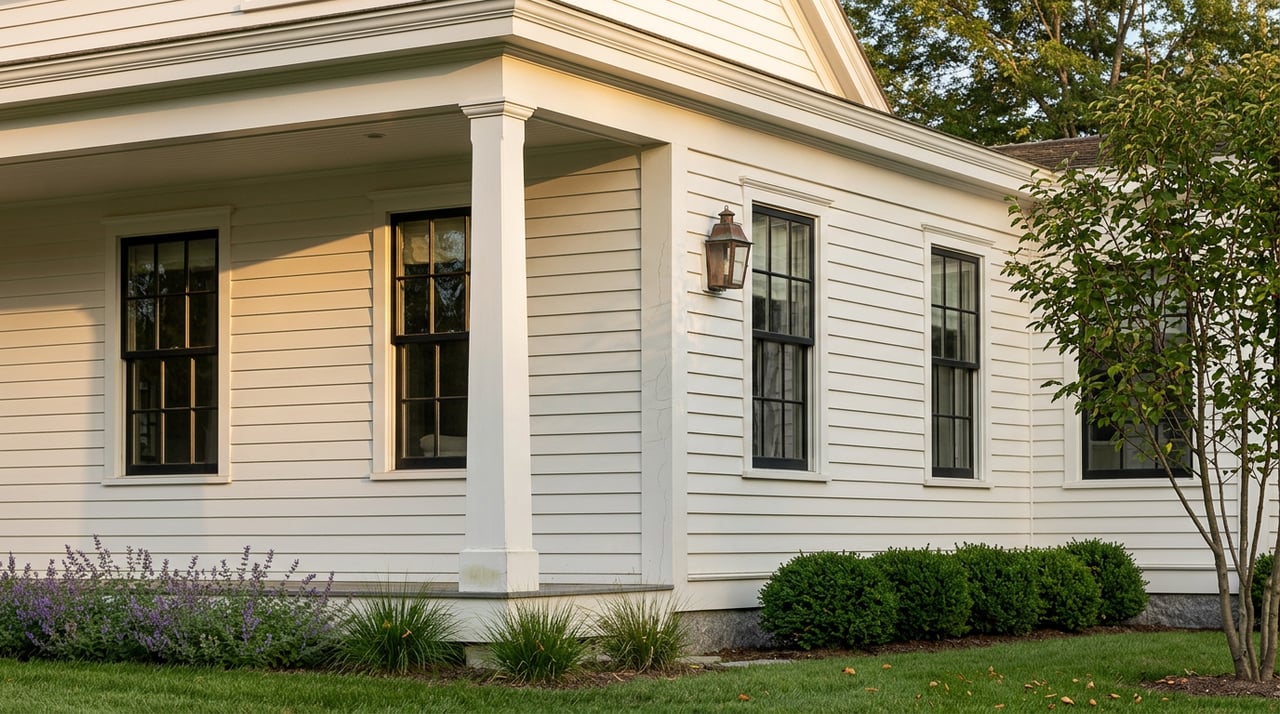
In Edgartown, exterior work deserves extra care because the Historic District Commission may review changes to exterior building features visible from a public way. The town’s permit application also specifically asks whether the property is in the Historic District and whether proposed work includes exterior architectural alterations.
Recent HDC agendas show that review can involve items such as windows, siding, trim, shutters, fences, rear additions, and decks. That is a strong signal for sellers: before spending heavily on redesign, it is wise to understand what has been approved before, what may require review, and what can be handled as maintenance.
A practical pre-listing exterior checklist often includes:
- Repairing wood siding and trim in kind where possible
- Repainting worn surfaces instead of replacing sound materials
- Addressing deferred maintenance that buyers will notice right away
- Tidying porches, steps, shutters, and other visible details
- Organizing prior permits or approvals for completed exterior work
This approach helps you protect the look buyers value while avoiding unnecessary surprises.
Repair windows before replacing them
Windows are often one of the biggest decision points in a historic home. Buyers care about comfort and efficiency, but original windows are also part of what gives an older Edgartown property its authenticity.
National Park Service guidance says repair should be the first option for historic windows. It also notes that operation issues, hazardous materials, code needs, or energy performance alone are not automatic reasons to replace them, and that weatherstripping and storm windows can improve performance without removing the historic sash.
For sellers, that usually supports a more measured plan:
- Repair loose or deteriorated components where feasible
- Improve function so windows open and close more smoothly
- Add weatherstripping where appropriate
- Consider storm windows if they improve comfort with limited visual impact
- Reserve full replacement for elements truly beyond repair
That kind of update speaks to today’s buyers in a credible way. It shows care, not overcorrection.
Make energy efficiency part of the story
Energy efficiency has become part of the buyer conversation, even in historic homes. According to 2025 sustainability reporting from NAR, client questions about energy efficiency are increasing, and windows, doors, and siding are among the features most often cited as important.
For a historic Edgartown property, that does not mean chasing every visible upgrade. It usually means prioritizing low-visibility, non-destructive improvements that enhance comfort while preserving original materials.
Good examples include:
- Weatherstripping doors and windows
- Servicing HVAC systems
- Improving ventilation where needed
- Using storm windows where appropriate
- Addressing drafts and comfort issues without altering defining features
When buyers see that a historic home has been thoughtfully maintained for comfort, they are often more confident about the balance between charm and livability.
Update kitchens and baths with restraint
Today’s buyers still care deeply about kitchens and bathrooms, but historic homes rarely benefit from trend-driven remodels that feel disconnected from the rest of the house. A cleaner, more functional presentation is often more persuasive than a cosmetic overhaul.
NAR’s 2025 Remodeling Impact Report found that kitchen upgrades and bathroom renovations were among the projects with the strongest demand. The same report also found that REALTORS most often recommend painting the entire home, painting a single interior room, and new roofing before listing.
For a historic Edgartown seller, that points to smart, selective preparation:
- Fresh paint where finishes feel tired
- Minor kitchen upgrades that improve function and cleanliness
- Bathroom repairs that make spaces feel neat and reliable
- Roofing work if the condition warrants it
- Improved lighting and hardware only where it complements the home
The goal is simple. You want buyers to feel that daily life will be easy there, without making the house feel generic.
Stage to reveal, not conceal
Staging matters, especially in a home with strong architectural character. NAR’s 2025 Profile of Home Staging found that 83% of buyers’ agents said staging made it easier for buyers to visualize a property as a future home.
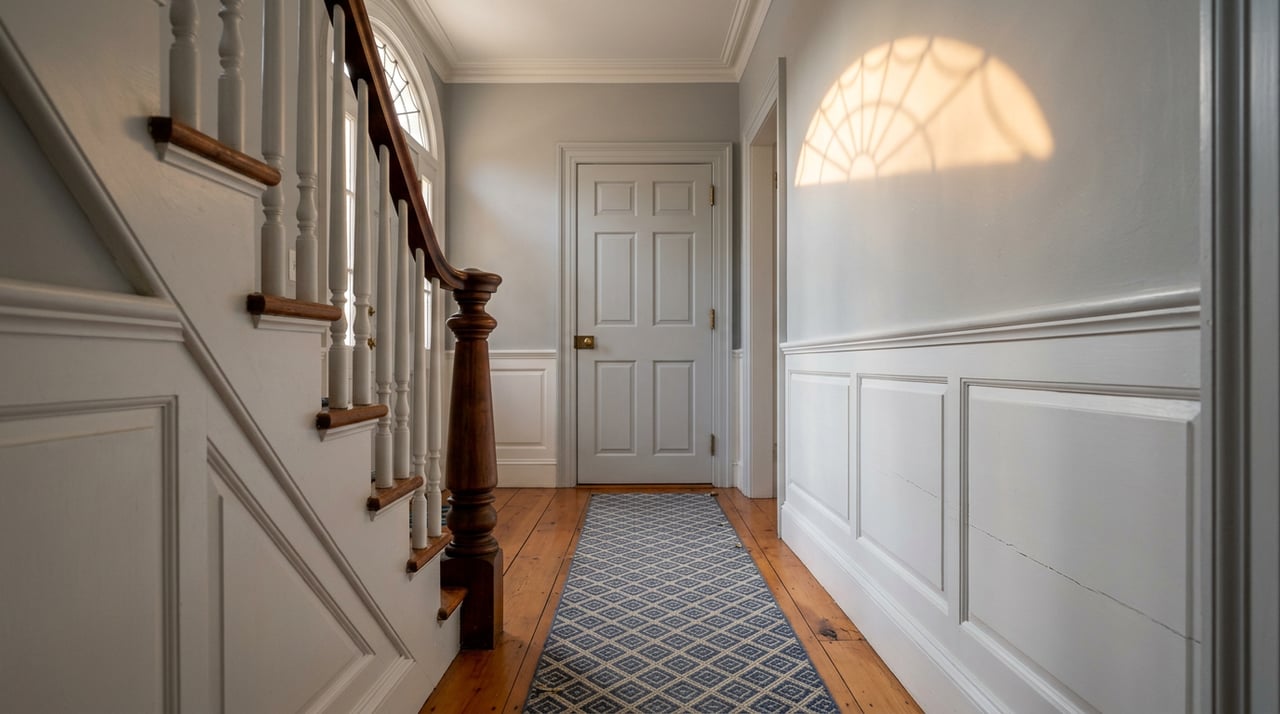
In a historic Edgartown property, staging works best when it frames the architecture instead of covering it up. Buyers should notice the trim, fireplaces, stair hall, window lines, and old floorboards, not furniture that competes with them.
A strong staging plan usually includes:
- Keeping sightlines open to original features
- Using fewer, lighter-scale furnishings
- Removing pieces that crowd narrow passages or low-clearance areas
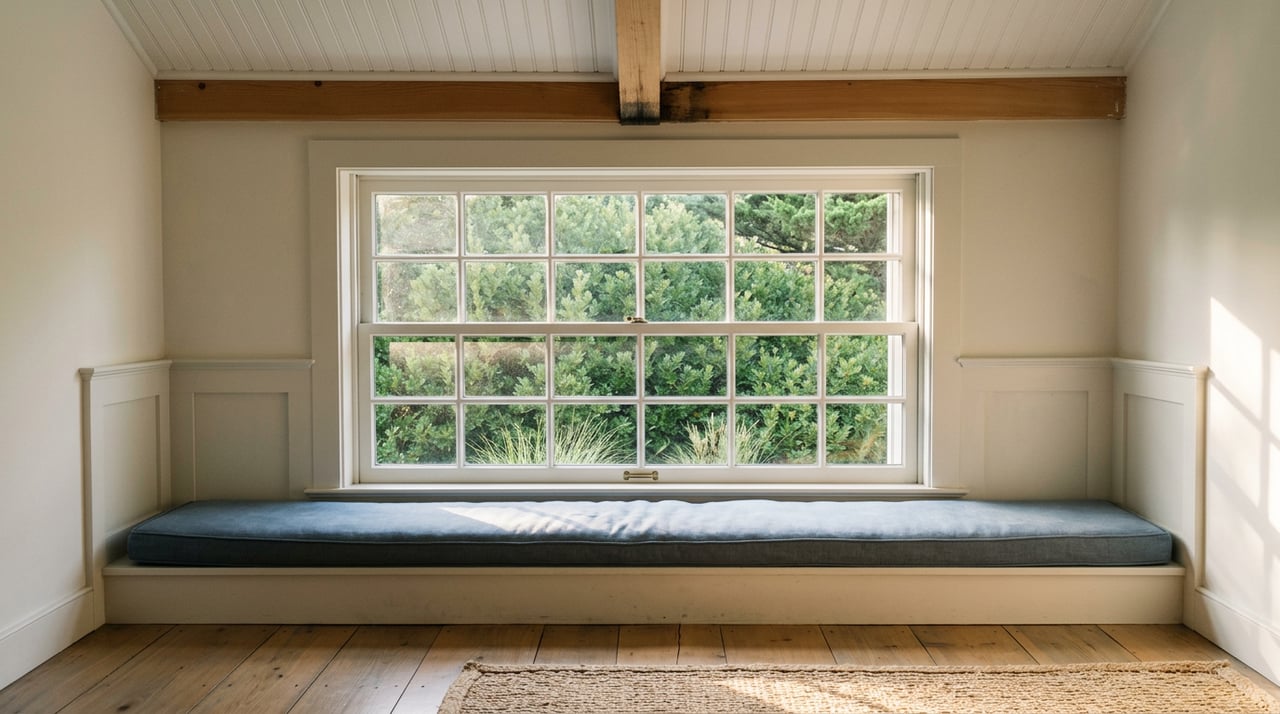
- Letting natural light reach windows and trim details
- Giving special attention to the living room, primary bedroom, and dining room, which are among the rooms most often staged
This kind of presentation feels calm and confident. It helps buyers imagine living in the home while still appreciating why it is special.
Build a clear documentation packet
One of the best ways to prepare a historic home for sale is to reduce uncertainty. In Massachusetts, sellers generally do not have a broad affirmative disclosure requirement, but there are important exceptions and property-specific records that matter.
Lead paint is the major statewide exception for many older homes. Mass.gov states that sellers and agents must comply with property transfer lead-paint notification when a buyer is purchasing a home built before 1978, including disclosure of known lead paint or hazards and any available records or reports.
If the property has a private septic system, keep the Title 5 inspection report and related Board of Health records ready. Massachusetts guidance states that Title 5 inspections are generally required before sale, although weather can delay the inspection if the buyer is notified in writing.
For a historic Edgartown listing, it is also wise to gather records that explain the home’s stewardship over time. A voluntary packet can help answer buyer questions early and make the property feel more transparent and better managed.
That packet may include:
- Permit sign-offs
- Historic District Commission approvals
- Lead paint paperwork
- Septic or sewer records
- Contractor invoices
- Warranties
- A simple maintenance and improvement timeline
- Photos showing original features and approved repairs
This is especially useful for remote or second-home buyers who may be making decisions from a distance and want a clearer picture of the property’s condition and history.
Keep the permit trail organized
Historic homes often have long ownership histories, and records can easily end up scattered between drawers, contractors, and town files. Before listing, it helps to pull everything into one organized file.
That matters even more in Edgartown because the permit process specifically asks about Historic District status and exterior architectural alterations. If you have records showing what was repaired, what was restored, and what was approved, you make it easier for buyers to understand the house and for their advisors to evaluate next steps.
Photos can be surprisingly valuable here. Images of trim, shutters, windows, roof details, and exterior repairs help support the story of the property and show that changes were handled thoughtfully.
Shape the listing story the right way
The best marketing narrative for a historic Edgartown home is rarely “fully reinvented” or “untouched original.” Buyers tend to respond better to a more balanced message: preserved, carefully maintained, and modern where it counts.
That framing aligns with both preservation guidance and current buyer priorities. The house keeps its defining character, but it also feels ready for contemporary use through thoughtful upkeep, practical systems attention, selective staging, and a well-prepared record of improvements.
In other words, age becomes a strength when you can show stewardship. A buyer does not just see an old house. They see a home that has been cared for, understood, and positioned for its next chapter.
If you are preparing to sell a historic property in Edgartown, a tailored plan can make all the difference. From staging and renovation guidance to a polished market presentation, Susan Anson offers a hands-on, concierge approach designed for distinctive Vineyard homes.
FAQs
What is the Historic District in Edgartown?
- Edgartown’s Master Plan says the local historic district was established in 1987, expanded in 2016, and covers 676 buildings on 185 acres in the village area.
What exterior changes may need review for an Edgartown historic home?
- Edgartown materials indicate that exterior architectural alterations visible from a public way may be reviewed, and recent HDC agendas show items like windows, siding, trim, shutters, fences, decks, and additions often come before the commission.
Should you replace old windows before selling a historic Edgartown home?
- Not necessarily. Preservation guidance says repair should be considered first, and weatherstripping or storm windows may improve comfort and performance without losing historic character.
What paperwork should you gather before listing a historic home in Edgartown?
- A helpful seller file may include permits, HDC approvals, lead paint paperwork, septic or sewer records, contractor invoices, warranties, and a simple timeline of maintenance and improvements.
Do Massachusetts sellers need to disclose lead paint in older homes?
- Yes. For homes built before 1978, Mass.gov says sellers and agents must comply with property transfer lead-paint notification requirements and disclose known lead paint or hazards along with available records.
How should you stage a historic Edgartown home for buyers?
- Stage it to highlight original architecture by keeping sightlines open, reducing visual clutter, and using furnishings that support the scale and detail of the home rather than competing with it.