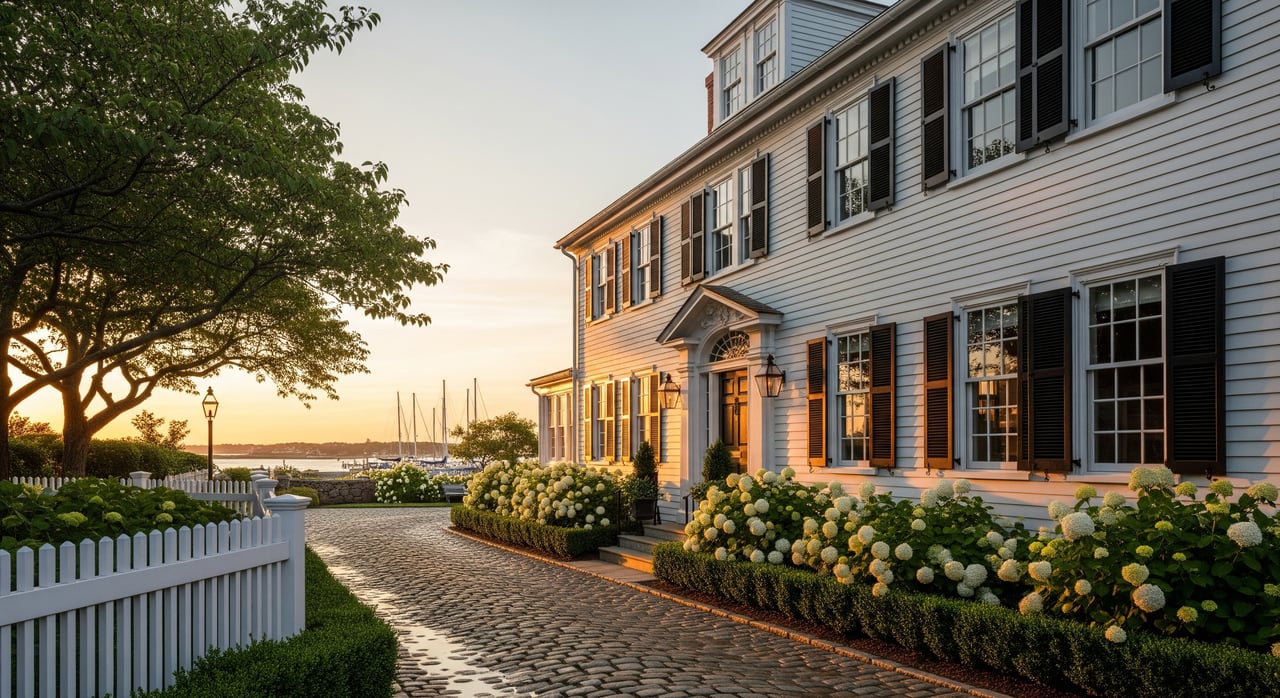
Dreaming of a classic captain’s house steps from the harbor, but unsure how “historic district” rules affect your plans? You’re not alone. Buying in Edgartown Village offers timeless character and strong long-term appeal, yet it also comes with a clear process for exterior changes. In this guide, you’ll learn what to expect from local historic review, timelines, costs, and resale factors, plus smart next steps. Let’s dive in.
Why the district matters
Edgartown Village is recognized at the local, state, and national levels for its 18th- and 19th-century architecture and streetscapes. This designation helps protect the look and feel of the village.
For you as a buyer, the key point is simple: exterior changes visible from public ways are typically regulated, while interiors are generally not. That means additions, window changes, siding, and roof alterations usually require review. The rules can affect schedule, materials, and sometimes cost, but they also preserve neighborhood character and can support future resale.
Home styles and lots
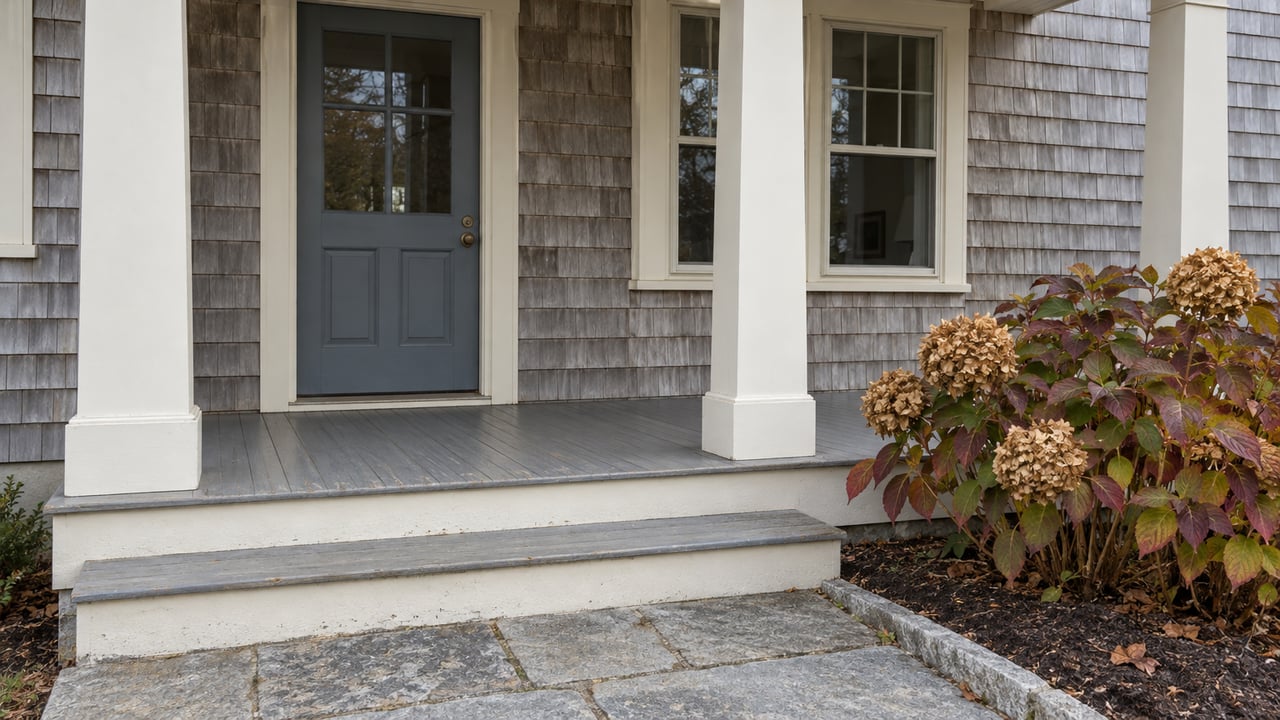
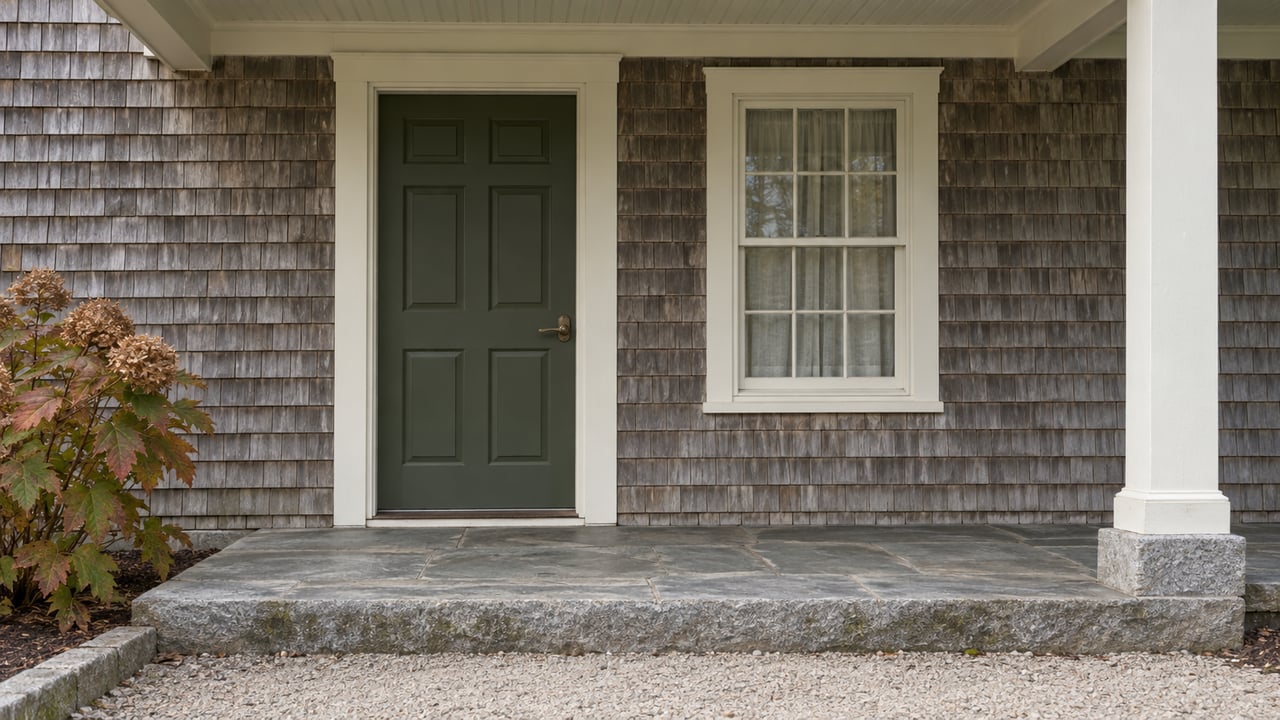
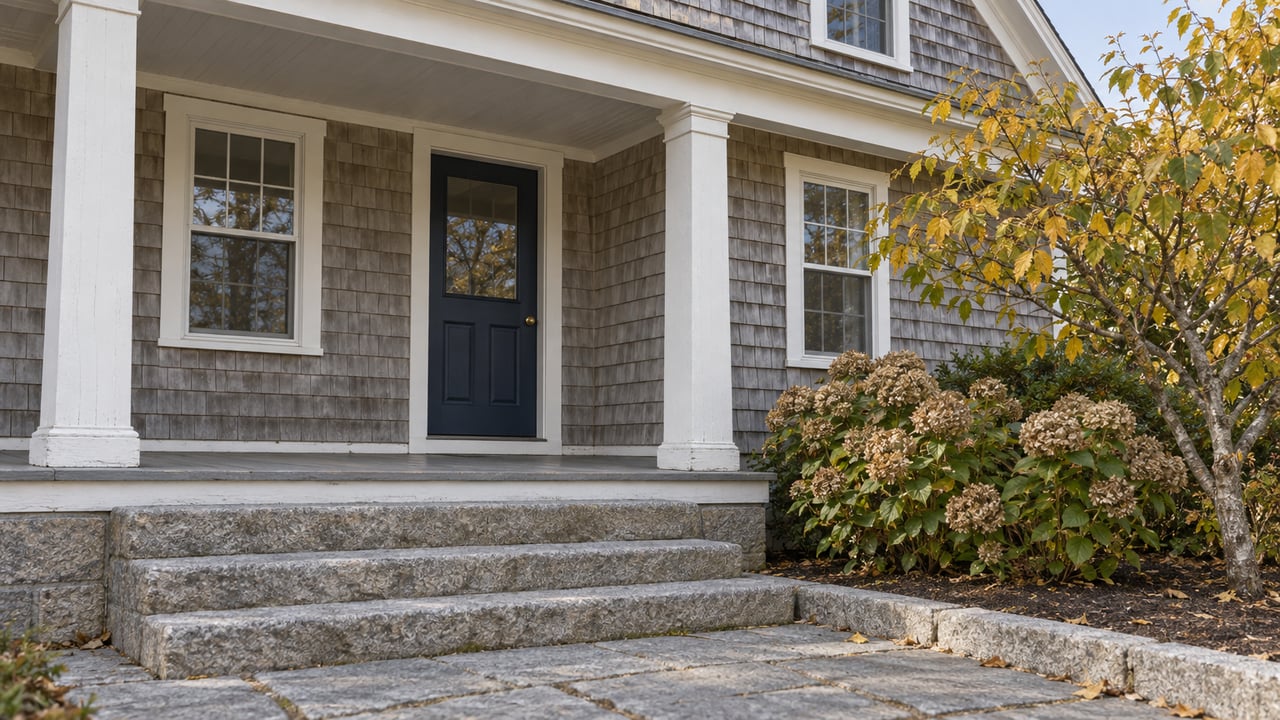
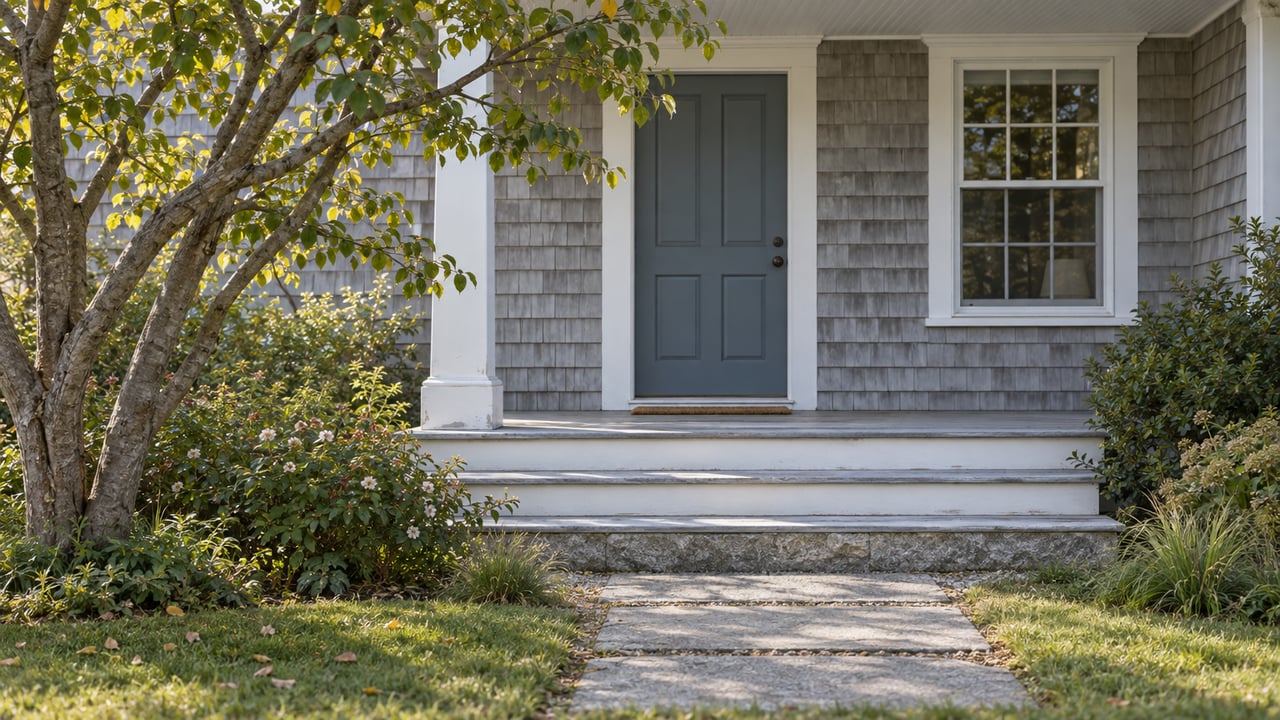
You’ll see Federal and Georgian influences, Greek Revival forms, 19th-century vernacular and Victorian details, and shingle or Colonial Revival homes from the late 19th and early 20th centuries. Wood clapboards or shingles, painted trim, wood sash windows, and porch details are common. Historic roofs were often wood shingles or slate.
Village lots tend to be compact, with shallow setbacks, narrow streets, and limited on-site parking. Many homes sit close together or on corners. These patterns shape what is possible for additions, garages, and driveway solutions.
If you plan changes, expect a focus on keeping new work compatible in scale, massing, and materials. On small lots, even modest additions may need careful design to respect the home’s historic form. Coastal conditions can add another layer of review for flood and wetlands.
How review works
What triggers review
Projects that usually require Historic District Commission (HDC) review include exterior work visible from a public way: windows and doors, siding, roof changes, porches, chimneys, additions, new construction, color changes in some cases, and demolition or relocation. In-kind repair using matching materials is often exempt, but it is best to confirm. Interior renovations are typically outside HDC jurisdiction unless they affect the exterior or structure.
Application and standards
A complete application often includes photos, plans and elevations, material samples or specifications, and a narrative of the scope. Local guidelines are generally consistent with the Secretary of the Interior’s Standards, which emphasize compatibility with historic scale, proportions, materials, and streetscape rhythm.
Outcomes can include approval, approval with conditions, a request for revisions, or denial. Conditions may address placement, visibility, or material choices. For example, commissions often ask that additions be located toward the rear or that mechanical equipment be screened.
Typical timelines
- Pre-application consult: Highly recommended to reduce revisions.
- Submission to hearing: Allow time for drawings and samples.
- Meeting cadence: Many commissions meet monthly. Straightforward items may be resolved in one meeting. Larger projects can take multiple appearances.
- Overall duration: Small or in-kind work can take a few weeks to 1–2 months. Larger additions, new construction, or demolition reviews commonly take several months, especially when building, conservation, or coastal permits are also required.
- After approval: Building permits and inspections follow and add time.
Demolition review
Demolition of historic structures is closely scrutinized. Local bylaws can impose a delay or specific findings before demolition is allowed. Do not assume either denial or approval. Confirm the current demolition rules before you plan a tear-down or major relocation.
Plan your project
Start with a concept that respects the street view and main rooflines. Place additions at the rear when possible and keep new work subservient to the historic massing. When modern systems are needed, keep them discreet.
- Windows: Repair in place where feasible. If replacement is necessary, match original profiles and materials closely.
- Materials: Many commissions prefer wood or visually equivalent substitutes that replicate profile and texture.
- Systems and sustainability: Solar, EV chargers, and exterior HVAC can be acceptable if sited to minimize visibility. Rear roof slopes, behind-ridge placement, or ground-mounted systems out of public view are more likely to succeed. Confirm conduit routing and screening.
Working with a preservation-minded architect or consultant can save time and rework. Detailed drawings, historic notes, and accurate material specs often lead to smoother approvals.
Buyer due diligence
Before you write an offer, gather what you can. If you go under contract, use contingencies to complete the list.
- Prior HDC approvals or Certificates of Appropriateness, and any as-built drawings
- Survey and plot plan with setbacks, lot lines, easements, and rights-of-way
- Building permit history, plus any open permits or code enforcement
- Maintenance and rehabilitation records for roof, siding, foundation, electrical, plumbing, and HVAC
- Title search for historic easements or preservation covenants
- FEMA flood-zone status and any elevation certificates; confirm flood insurance needs
- Septic versus sewer connection, and any local wastewater requirements
- Conservation or wetlands restrictions that might affect additions or landscaping
- Lead paint or hazardous materials history and remediation records
Budget for ownership
Wood-clad historic homes require routine care. Expect regular painting, shingle replacement, and window maintenance. Repair is often preferred over replacement, and historically accurate replacements can be more costly.
- Routine maintenance: Plan for paint cycles, clapboard or shingle repair, and porch, trim, or window sash upkeep.
- Repair vs. replacement: Commissions often favor in-kind repair. When replacing, closely match profile, reveal, and material.
- Professional fees: Budget for architectural drawings and, on larger projects, a preservation consultant or structural engineer.
- Approvals and permits: Factor in application fees, hearing timelines, and potential design revisions.
- Insurance: Older and coastal homes often carry higher premiums. Flood insurance may be required in mapped zones.
Resale and value
Historic districts commonly support neighborhood stability and long-term desirability. Many buyers will pay a premium for authentic character and a walkable village setting. At the same time, the rules and maintenance needs can narrow the buyer pool. The net effect varies by property and market timing, but protected streetscapes often help properties hold value over time.
For second-home owners, the combination of village charm and proximity to amenities is a strong draw. Plan for ongoing care and vendor management so the property remains market-ready for both personal use and potential future sale.
Remote buyer tips
If you live off-island, plan for an on-island point person to represent you during due diligence and any HDC meetings. Clear communication and documented plans are essential.
- Engage a local agent with historic-district experience.
- Consider a preservation-minded architect and contractor early.
- Use detailed inspection contingencies to scope structural, flood, septic, and compliance costs.
- Arrange for caretaker or property management for routine maintenance and seasonal readiness.
Next steps and resources
- Start a pre-application conversation with the Town of Edgartown Historic District Commission to understand current guidelines, meeting schedules, and submittal requirements.
- Review state inventory materials through the Massachusetts Historical Commission to learn more about your home’s period and features.
- Consult National Park Service guidance, including the Secretary of the Interior’s Standards, for best practices on compatible treatments.
- Check FEMA flood maps for zone, elevation, and potential insurance implications.
- Coordinate with Edgartown’s building department and conservation commission on permits for structural, septic/sewer, and wetlands or coastal work.
When you want a seasoned partner to anticipate the steps, assemble the right team, and manage the process, we can help. For a confidential conversation about properties in the Edgartown Historic District and how to plan your purchase, connect with Susan Anson.
FAQs
What does “historic district” mean in Edgartown?
- It means exterior changes visible from public ways are typically reviewed by the Historic District Commission. Interiors are generally not regulated unless the work affects the exterior or structure.
How long do HDC approvals take for Edgartown homes?
- Small in-kind repairs can wrap up in weeks. Additions, new construction, or demolition reviews often take several months and may require multiple hearings plus other permits.
Can I replace wood siding or windows with modern materials in the district?
- Policies vary. Many commissions prefer wood or substitutes that closely match the original in profile and texture. Confirm acceptability during pre-application review.
Are solar panels and EV chargers allowed on village homes?
- Often yes, if located to minimize visibility. Rear roof slopes, behind-ridge placement, and screened ground systems are more likely to be approved. Visible conduit may be reviewed.
Will historic designation hurt resale or financing on Martha’s Vineyard?
- Not inherently. Historic districts often sustain neighborhood appeal. Lenders or insurers may ask for added documentation, especially for older coastal homes or flood zones.
What professionals should I hire for an Edgartown Village project?
- A local agent experienced with historic properties, a preservation-minded architect or contractor, a structural engineer if needed, and a real estate attorney for title and easements are common choices.