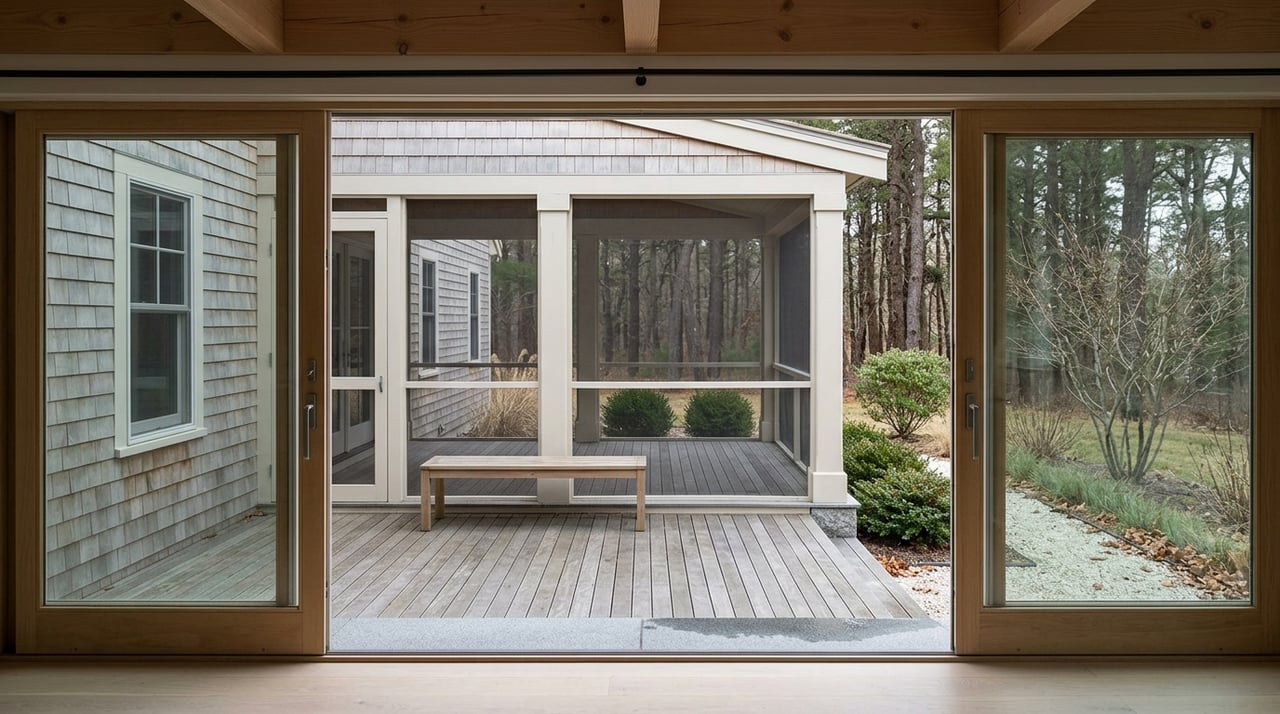
If you are dreaming about a retreat in Aquinnah, the design question is not how much house you can build. It is how thoughtfully you can place it on the land. In this part of Martha’s Vineyard, low-impact design is closely tied to local expectations around rural character, scenic views, and the protection of natural, historic, and Wampanoag cultural resources. If you want a home that feels right here and moves more smoothly through planning, it helps to understand those priorities early. Let’s dive in.
What low-impact means in Aquinnah
In Aquinnah, a low-impact retreat usually starts with restraint. Local rules and planning guidance point toward a smaller footprint, quiet materials, limited clearing, and a building profile that sits gently within the landscape rather than dominating it. The goal is not just visual simplicity. It is also about protecting sensitive land, reducing runoff, and respecting the area’s broader environmental and cultural context.
That approach reflects the town’s planning framework. Aquinnah’s zoning bylaws emphasize rural character, scenic preservation, and resource protection, while town planning materials and regional policy also support resilient landscaping and site-sensitive development. For you as a buyer or property owner, that means the best retreat designs often feel quiet, grounded, and very specific to the site.
Start with site feasibility
Before you think about finishes or floor plans, focus on the land itself. Aquinnah has no parcels served by town water, and local planning materials describe variable soils, challenging groundwater conditions, and limited municipal wastewater infrastructure. That makes well and septic planning one of the first design steps, not something to solve later.
According to the Aquinnah Housing Production Plan, these site conditions are a defining part of development in town. The same document also notes the importance of archaeological sites and Indian cemeteries to Aquinnah’s future, along with the significance of the Wampanoag Tribe of Gay Head (Aquinnah) in the town’s recent history. For a retreat project, this means due diligence should begin with the land’s physical and cultural context.
Well and septic deserve early attention
The Board of Health rules are detailed, and they can directly shape where and how a home is designed. Aquinnah Board of Health rules state that dug or driven wells are not allowed for potable water, private wells must be set back 150 feet from septic disposal areas and saltwater bodies, and 100 feet from wetlands. They also limit percolation testing to December 1 through April 30.
Those timelines and setbacks matter. The same rules state that no new mounded septic system may be used for new construction, so feasibility can narrow quickly depending on the lot. On a property in Aquinnah, utility planning is often part of the architecture itself.
Know the zoning limits
Aquinnah’s zoning creates a clear framework for modest scale. Under the town zoning bylaws, no structure may be built on lots under 2 acres except for certain exceptions, and use density is generally one dwelling per 2 acres. The bylaw also requires 200 feet of frontage on a public or private way.
Lot coverage is also tightly managed. Total structure footprint on a lot may not exceed 2,000 square feet without a special permit, which naturally encourages a more compact building strategy. If you are evaluating land for a future retreat, these numbers are essential to understand from the beginning.
Height and placement shape the design
Setbacks and height rules push projects toward a lower, less visible form. In most areas, structures must sit at least 30 feet from lot lines and 40 feet from road centerlines. In open or highly visible areas, and within 200 feet of a public road or way, height is more limited at 18 feet for gable or hip roofs and 13 feet for flat or shed roofs, with special-permit relief up to 24 feet.
The same bylaw also limits foundations in those visible areas to 18 inches above median natural grade without special permit. In practice, this supports homes that hug the land rather than rise above it. For many buyers, that design constraint ends up creating the calm, tucked-in feel they wanted all along.
Build with the landscape, not against it
A retreat in Aquinnah often works best when the building follows the site’s natural topography and existing vegetation. The Martha’s Vineyard Commission site design and landscape policy encourages rural development that preserves topography, protects habitat, and retains vegetation wherever possible. It also supports development envelopes and tree protection during construction.
That guidance matters because Aquinnah’s landscapes can be both open and fragile. Local descriptions point to scrub oak, heath, dune, and low-cliff environments, so the strongest design move is often not a broad ornamental lawn. Instead, it is a sequence of native planting, filtered views, and outdoor spaces that feel connected to the existing plant community.
Sensitive districts bring added scrutiny
Certain areas in town require even more care. In the Moshup Trail District, the zoning bylaw says buildings should be placed on or near the side slope of a valley rather than on a ridgeline or in the valley center. It also states that clearing ground cover, shrubs, or trees generally requires a special permit.
In the Gay Head Cliff Area, the same bylaw adds scrutiny around wells, septic systems, contamination, erosion, and saltwater intrusion. These are often the approval choke points for retreat projects, especially on highly visible or environmentally sensitive sites. If you are buying with the intention to build, understanding district-specific conditions can save time and costly redesigns.
Choose materials that feel at home
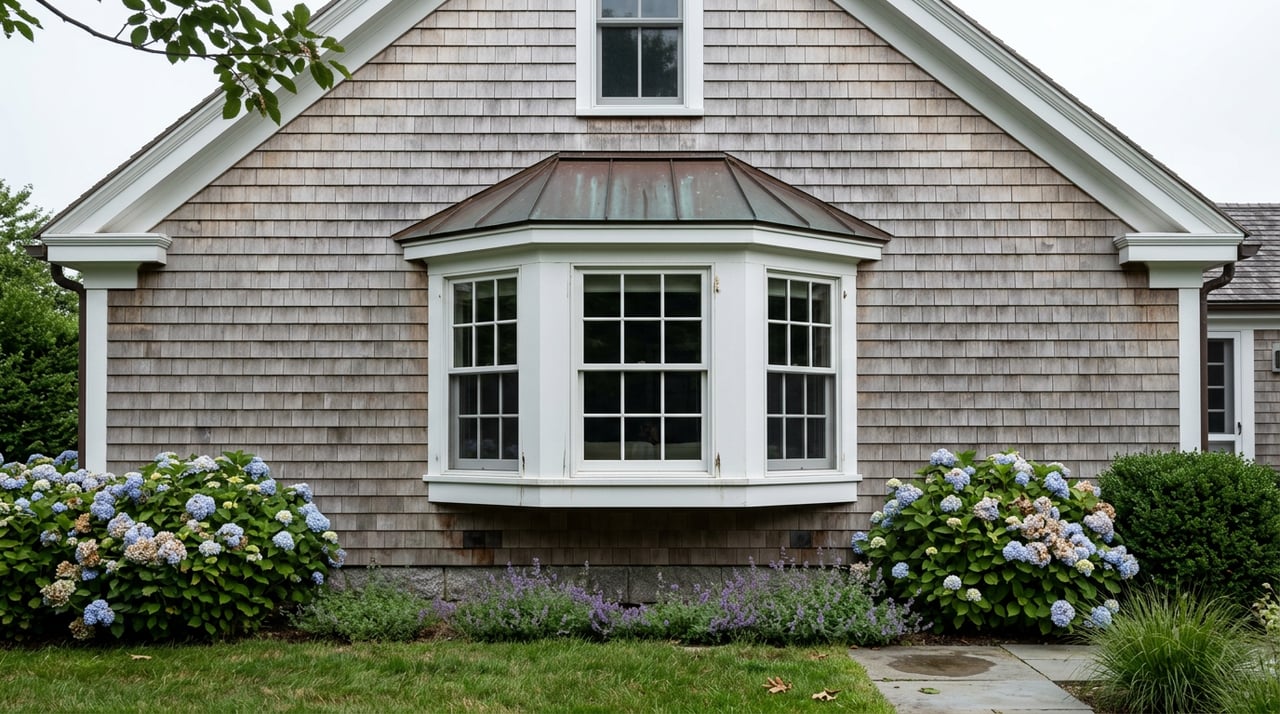
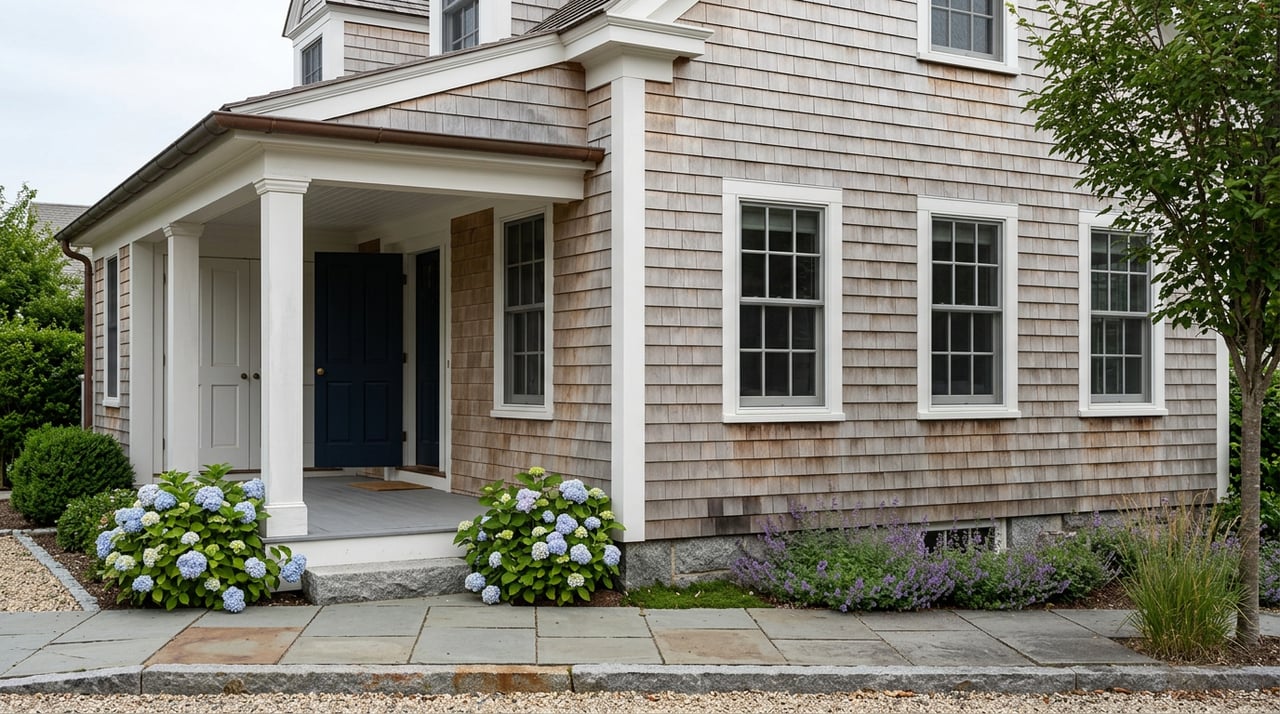
In Aquinnah, material choices are part of the overall impact of a home. The local bylaw supports natural wood shingles, neutral trim, darker roof tones, and other visually quiet exterior choices. This is less about style trends and more about helping a home blend into its surroundings.
Glass should also be used thoughtfully in visible areas. The bylaw discourages glass walls where they may create night-sky or interior-light impacts. Even elements like porches and decks are expected to stay in scale with the house, which reinforces the broader local preference for balance and understatement.
Keep roads and hardscape understated
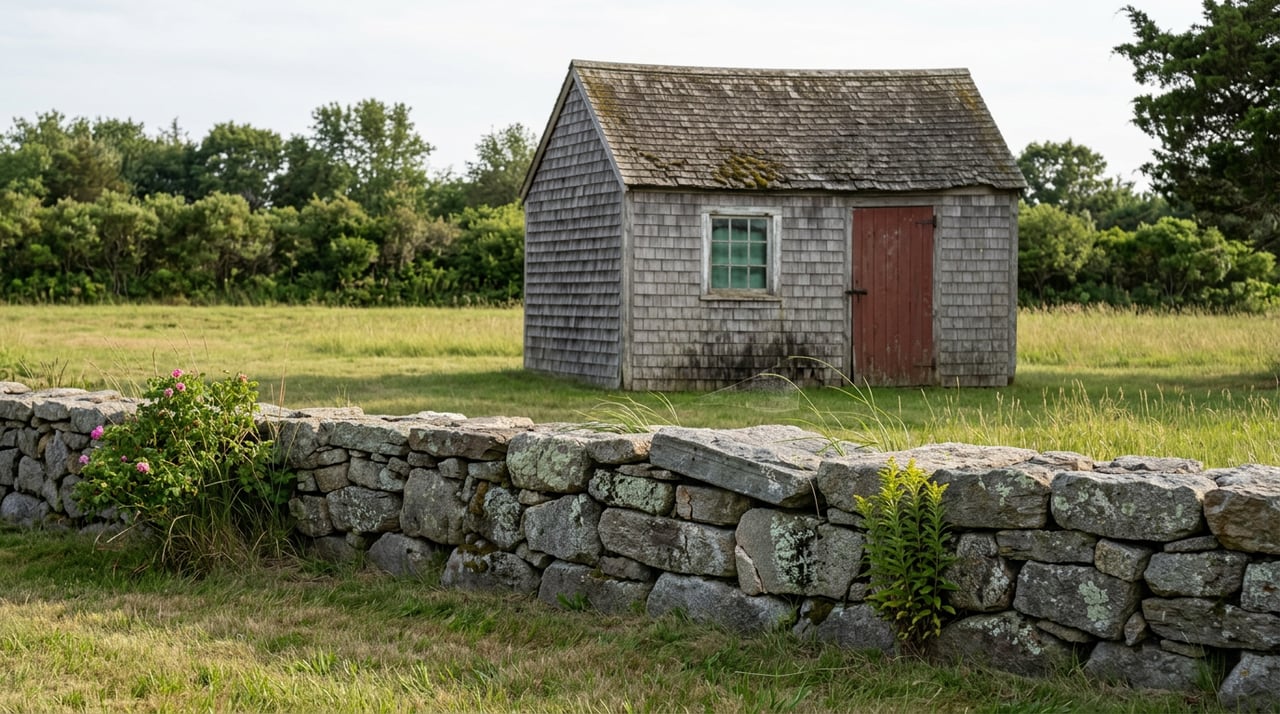
Site hardware can have just as much visual impact as the house itself. Aquinnah’s bylaw favors narrow roads, shared curb cuts where possible, and pervious paving such as gravel, bluestone, crushed shell, or wood chips. It also supports preserving stone walls and using low-visibility fencing.
That guidance can help a retreat feel more authentic and less engineered. A simple gravel drive, modest parking area, and low-profile site lighting often suit the landscape better than larger paved surfaces or more formal entry sequences. In a place like Aquinnah, less hardscape usually creates a stronger result.
Use native planting for resilience
Planting is one of the clearest ways to reduce impact over time. For coastal and exposed settings, the UMass Amherst coastal landscape fact sheet recommends site-specific plant selection and says native plants should be used whenever possible. It identifies species such as American beach grass, bayberry, beach plum, bearberry, creeping juniper, little bluestem, Pennsylvania sedge, Eastern red cedar, and pitch pine.
The same fact sheet recommends vegetated buffer strips of roughly 10 to 20 feet along resource areas to help slow runoff and protect water quality. For you, this can translate into a landscape that is both beautiful and practical. Native and island-appropriate planting often needs less intervention and fits more naturally into Aquinnah’s exposed coastal setting.
Privacy can be soft, not heavy
Privacy design in Aquinnah usually works best when it feels layered rather than blocked off. Local and regional guidance favors preserving existing vegetation, using indigenous or easily naturalized planting, and keeping fences low and open where possible. That approach supports privacy without creating a hard visual edge.
If you want outdoor living space that feels secluded, think in terms of sheltered courtyards, native screening, and outdoor rooms nested into the site. This often feels more in tune with Aquinnah than tall barriers or extensive clearing. It also helps preserve the open, rural character that many buyers come here to enjoy.
Plan for energy and resilience
Low-impact design in Aquinnah also includes how a home performs over time. The town has adopted a fossil-fuel-free demonstration bylaw and a specialized energy code for residential and commercial buildings. According to the Town of Aquinnah general bylaws, most residential new construction and major renovations must be fossil-fuel-free, and permit applications must identify heating, cooling, and hot-water systems.
That points retreat projects toward lower-emission systems and net-zero-oriented performance from the start. It also aligns with broader island planning around sea-level rise, storms, erosion, and fire risk, as outlined in the MVC site design policy. A low-impact retreat here is not just about what you see. It is also about how the property uses energy, handles water, and responds to changing conditions.
A smart approach before you buy or build
If you are searching for land or evaluating a home with renovation potential in Aquinnah, it helps to think beyond square footage. You want to understand district rules, road visibility, likely well and septic locations, clearing constraints, and how the house can sit comfortably within the site. The strongest properties are often the ones where architecture, landscape, and infrastructure work together from the beginning.
That is especially true in up-island markets, where the appeal often comes from privacy, topography, and the surrounding natural setting. A thoughtful, low-impact plan can protect long-term value while also creating a home that feels more rooted and more peaceful. If you are considering a purchase, renovation, or long-range retreat strategy in Aquinnah, working with a local advisor can help you evaluate those details before they become obstacles. For tailored guidance on Aquinnah and other up-island opportunities, connect with Susan Anson.
FAQs
What does low-impact design mean for a retreat in Aquinnah?
- It generally means a modest footprint, low roofline, limited clearing, quiet exterior materials, native or island-appropriate planting, pervious site surfaces, and low-glare lighting, based on local zoning and landscape guidance.
What zoning rules matter most for building in Aquinnah?
- Key rules include the 2-acre minimum lot standard in most cases, one dwelling per 2 acres, 200 feet of frontage, a 2,000-square-foot total structure footprint limit without special permit, and height and setback rules that can be stricter in visible areas.
What utility issues should you review before designing a home in Aquinnah?
- You should review well and septic feasibility early because Aquinnah has no town water service, soils and groundwater can be challenging, private wells have strict setback rules, and percolation testing is limited to a seasonal window.
What landscape approach fits an Aquinnah property best?
- Native and site-specific planting, preserved vegetation, limited lawn area, vegetated buffers near resource areas, and outdoor spaces that follow the natural topography are generally the best fit for Aquinnah’s coastal and rural landscape.
What design features can trigger more review in Aquinnah?
- Projects may face more scrutiny when they involve visible ridgeline siting, extensive clearing or grading, wetlands or floodplain concerns, well and septic complications, or design choices that change the visual profile from roads or the water.