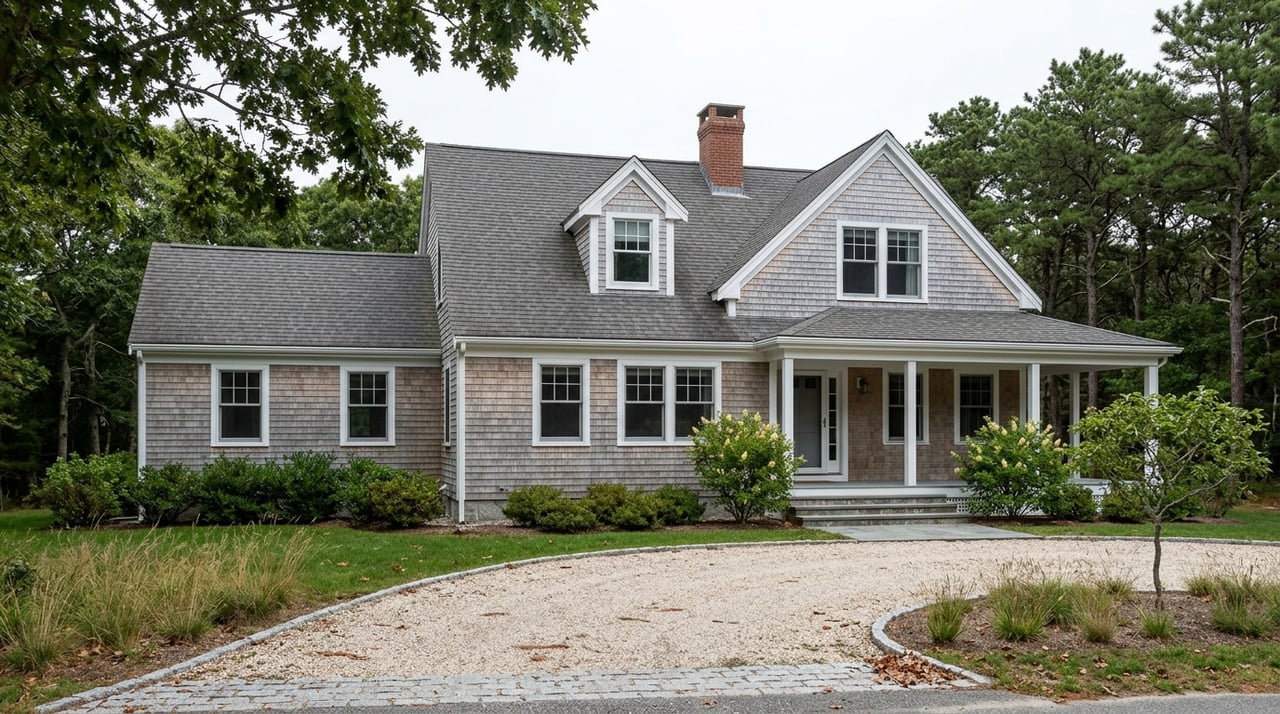
If you are deciding between up-island and down-island on Martha’s Vineyard, you are really deciding how you want your home to live. Do you want a quieter retreat with more land and separation, or a more convenient base near ferry access, dining, shops, and day-to-day services? For many buyers, especially second-home buyers, that choice shapes everything from your travel routine to how often you use the property in peak season. Let’s dive in.
What up-island and down-island mean
On Martha’s Vineyard, up-island generally refers to Aquinnah, Chilmark, and West Tisbury, while down-island refers to Tisbury, Oak Bluffs, and Edgartown. According to Oak Bluffs town information, roughly three-quarters of the island’s year-round population is concentrated in the three down-island towns.
That split matters because it affects how each side of the island feels. The Martha’s Vineyard Commission’s 2024 seasonal population estimate places the likely August peak at about 94,650, or 4.6 times the year-round population. In practical terms, summer traffic, restaurant demand, and overall activity can feel very different depending on where you buy.
Why West Tisbury defines up-island
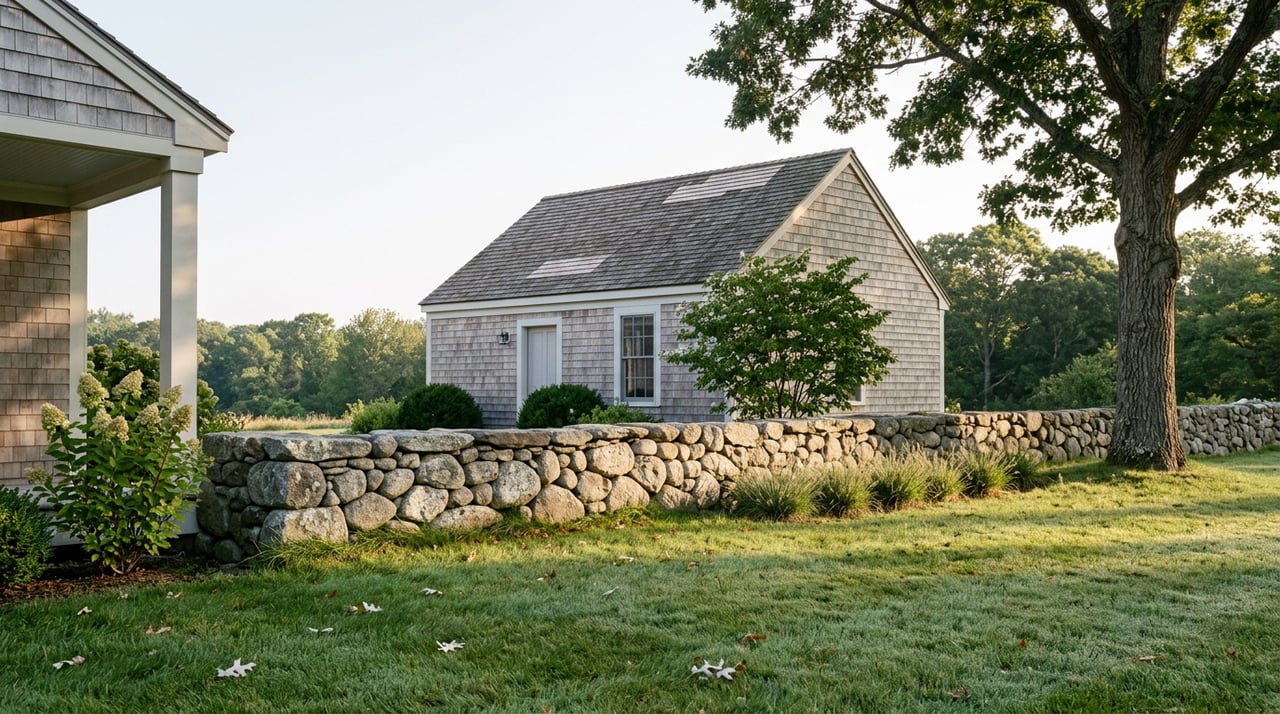
West Tisbury is often the clearest example of the up-island lifestyle. The town covers 34 square miles and describes itself as having retained a rural atmosphere, with State Forest land, scenic beaches, farmland, and historic structures still in use, as noted on the Town of West Tisbury website.
For you as a buyer, that often translates to a quieter pace and a more landscape-driven ownership experience. Properties may feel more private, with woods, fields, or homes set back from the road. It also often means accepting longer drives for errands, services, and ferry trips.
Land use shapes the feel
West Tisbury’s rural character is not accidental. The town’s zoning bylaw emphasizes conservation values such as open meadows, farmland, scenic resources, trail corridors, trees, and screening vegetation.
In the RU district, the minimum lot area must include 100,000 square feet of contiguous buildable land, and open-space developments must preserve at least 60% of the land as open space. Those rules help explain why many up-island properties feel more spacious and less dense.
Environmental limits also matter
Development patterns in West Tisbury and other parts of up-island are also influenced by environmental factors. The MVC Housing Needs Assessment Update notes that water-quality concerns, including nitrogen impacts on coastal ponds, partly shape where development can occur and how dense it can be.
For buyers, that means the setting you value is often closely tied to the island’s land-use and conservation framework. It is one reason up-island can feel more removed, protected, and spacious.
Why down-island feels more connected
If up-island is often about retreat, down-island is often about convenience. Oak Bluffs describes itself as a residential resort community with a bustling seasonal waterfront and downtown, along with the island’s largest marina. The same town page notes that Vineyard Haven in Tisbury is the island’s main port, while Oak Bluffs has a summer port supplement.
This side of the island also includes the larger historic villages of Edgartown, Oak Bluffs, and Vineyard Haven, as the Steamship Authority visitor guide explains. If you expect frequent arrivals, visitors, or shorter trips for supplies and services, down-island often works better as a practical home base.
Services and transit cluster here
The Vineyard Transit Authority serves all six island towns and travels down major roads, but down-island ownership generally places you closer to the island’s service and transit core. That matters if you want easier access to ferry connections, more active town centers, and a more connected day-to-day routine.
The MVC also reports that about three-quarters of the island’s year-round population lives in Edgartown, Oak Bluffs, and Tisbury. That concentration supports the greater density of services, businesses, and daily conveniences on the down-island side.
Down-island does not mean one property type
It is easy to assume down-island always means smaller lots or denser neighborhoods, but that is not always true. For example, the Edgartown zoning bylaw includes a 10,000-square-foot minimum lot size in the R-5 district, but it also includes residential districts with minimums of one-half acre, 1.5 acres, and 3 acres.
That is an important reminder if you are searching for balance. You can still find larger parcels and more private settings down-island, just as some up-island properties near main roads may offer more convenience than buyers expect.
Ask what kind of home you want
The most useful way to make this decision is not to think in labels alone. Instead, ask whether you want your Martha’s Vineyard property to function as a retreat, a base camp, or something in between.
Here is a simple way to frame it:
Choose up-island if you want a retreat
You may lean toward West Tisbury or the broader up-island area if you want:
- More land and privacy
- A quieter setting with fewer day-to-day distractions
- A home that feels farther from the peak-season rush
- A stronger connection to woods, fields, farmland, or open space
- A property that prioritizes atmosphere over immediate convenience
West Tisbury is especially strong for this buyer profile because its rural atmosphere and land-use framework actively support that experience.
Choose down-island if you want a base camp
You may lean down-island if you want:
- Easier ferry access
- Shorter trips to restaurants, shops, and services
- A location that works well for frequent arrivals and departing guests
- More connection to town centers and waterfront activity
- A home that supports spontaneous, shorter visits
For many second-home buyers, that convenience changes how often they use the property. A home that is easier to reach and easier to manage around travel plans may fit better than a home that is beautiful but more remote.
Choose by property, not just town
Sometimes the best answer is not a side of the island, but a specific property type. A village-adjacent parcel in a down-island town can live very differently from a larger inland parcel in the same town. Likewise, a West Tisbury property near main roads may feel more convenient than a deeper up-island parcel, based on the island’s transportation and land-use pattern reflected in West Tisbury planning materials.
If you want a hybrid lifestyle, this is where local guidance matters most. The details of lot size, road access, setting, and travel time can matter more than the map label.
Peak season changes the equation
Seasonality is one of the biggest factors in this decision. The island’s summer population can rise dramatically above the year-round base, and that shift changes traffic patterns, availability, and how busy commercial areas feel.
The MVC Housing Needs Assessment Update also reports that year-round occupied housing makes up only about 39% of the island’s total housing stock. That helps explain why inventory pressure and seasonal use play such a large role in buying decisions here.
If you plan to use your home heavily in July and August, your tolerance for traffic, crowds, and travel time should be part of the decision. A location that feels ideal in spring or fall may function differently in peak summer.
Questions to ask before you buy
Before you choose up-island or down-island, it helps to answer a few practical questions:
- How much privacy do you want day to day?
- How often will you use the property in peak season?
- How important is ferry access?
- Do you want to be closer to shops, restaurants, and services?
- How much land are you comfortable maintaining?
- Will the home be for personal use only, or does rental flexibility matter?
These questions turn a lifestyle preference into a clear buying strategy. They also help narrow your search in a market where property use, setting, and logistics all affect long-term satisfaction.
Finding the right fit on Martha’s Vineyard
There is no universally better side of the island. The right choice depends on whether you want your property to feel like a secluded retreat, a convenient launching point, or a thoughtful mix of both.
If you want help comparing West Tisbury and the rest of up-island with Edgartown, Oak Bluffs, and Vineyard Haven, Susan Anson offers a highly personalized, owner-led approach to buying on Martha’s Vineyard. Whether you are seeking privacy, convenience, or a property with seasonal rental potential, Susan can help you evaluate how each option will truly live once you own it.
FAQs
What does up-island mean on Martha’s Vineyard?
- Up-island generally refers to Aquinnah, Chilmark, and West Tisbury, which are more rural in character than the down-island towns.
What does down-island mean on Martha’s Vineyard?
- Down-island generally refers to Tisbury, Oak Bluffs, and Edgartown, where more of the island’s year-round population, services, and ferry access are concentrated.
Is West Tisbury a good choice for buyers seeking privacy?
- West Tisbury is often a strong fit if you want a rural setting, larger-lot patterns, and a quieter ownership experience shaped by open space and conservation priorities.
Are down-island homes always on smaller lots?
- No. Down-island includes a range of property types, and Edgartown zoning, for example, includes both smaller-lot districts and larger residential districts.
How does summer seasonality affect where to buy on Martha’s Vineyard?
- The island’s population rises sharply in August, which can affect traffic, restaurant demand, and how busy certain areas feel, especially closer to active town centers and ferry access.
Should second-home buyers choose up-island or down-island on Martha’s Vineyard?
- It depends on how you plan to use the home. Up-island often suits buyers seeking retreat and privacy, while down-island often suits buyers who prioritize convenience, access, and active use.