If you are thinking about updating a Chilmark home, bigger is not always better. In this part of Martha’s Vineyard, the most compelling luxury often comes from restraint, durability, and a strong read on the land itself. When you understand how Chilmark’s landscape, planning priorities, and coastal conditions shape design, you can make choices that feel elegant now and smarter over time. Let’s dive in.
Quiet Luxury Starts With Place
In Chilmark, design works best when the house feels secondary to the setting. The town’s planning mission emphasizes preserving open areas, natural features, rural character, scenic qualities, and public views. That means a quiet-luxury retreat is less about dramatic showpieces and more about a home that sits calmly within hills, ponds, shoreline, and wooded acreage.
This approach fits the local landscape. Chilmark’s zoning bylaws describe the town as geologically complex, with irregular terrain, hills, ponds, and shorelines. On a site like this, restrained forms and natural-looking materials often feel more appropriate than glossy finishes or oversized resort-style additions.
Design Choices That Fit Chilmark
Quiet luxury in Chilmark is best expressed through subtle, site-responsive decisions. The goal is to create comfort, privacy, and beauty without competing with the land. In practice, that often means choosing materials and spaces that age gracefully and support coastal living.
A thoughtful design direction may include:
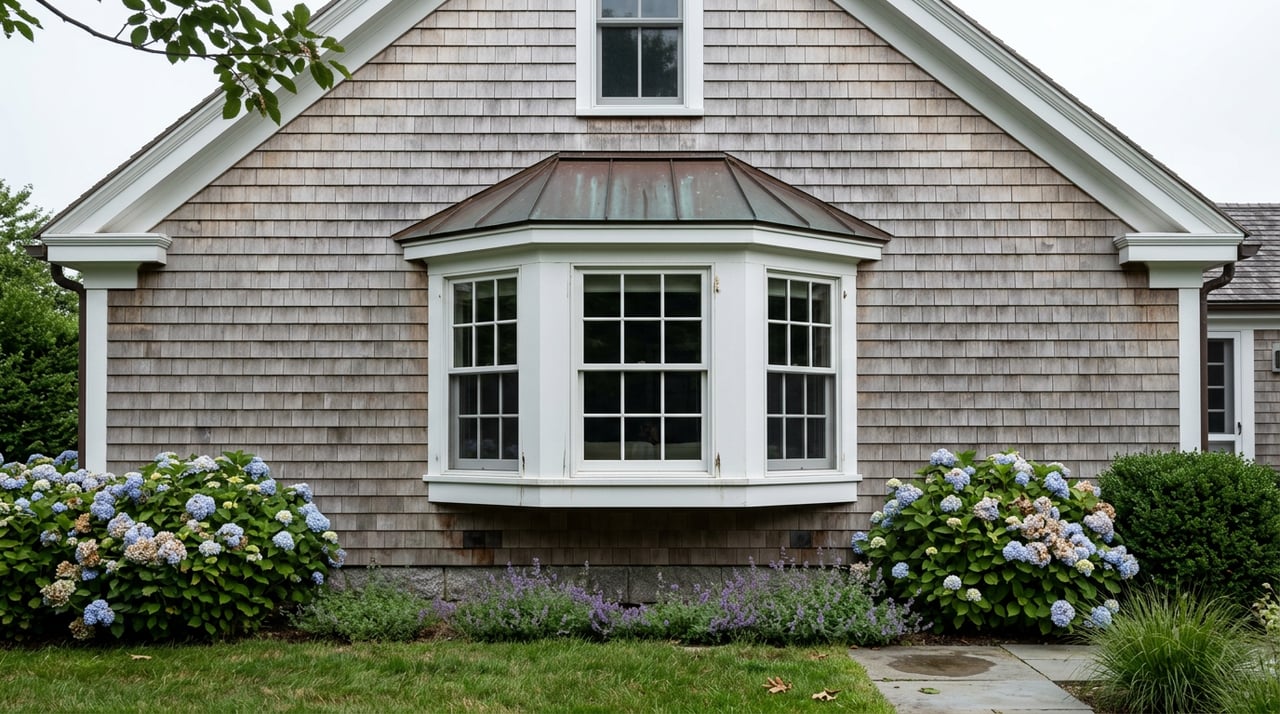
- Weathering cedar shingles or other natural-looking exterior materials
- Simple, low-contrast finishes instead of high-gloss surfaces
- Broad but understated indoor-outdoor spaces
- Storage and circulation improvements that make older homes live better
- Exterior details selected for longevity in wind, moisture, and salt air
For many owners, the most successful result is a home that feels quieter than the landscape around it.
Screened Porches Often Outperform Sunrooms
One of the best examples of Chilmark-appropriate luxury is the screened porch. Rather than enclosing more square footage in a showy way, a screened porch can extend daily living while preserving the breezy, seasonal feel that makes an up-island property special. It also supports a smoother transition between the interior and the outdoors.
That matters in a coastal retreat. A screened porch can feel authentic to the architecture and more in tune with the site than a large enclosed sunroom. If you are refreshing an older home, this kind of addition often delivers comfort and function without overwhelming the original character.
Durable Materials Matter More Than Ornament
In a coastal environment, beautiful design needs to hold up. Guidance for coastal construction points to the importance of materials and detailing that can better resist flood exposure, wind, corrosion, and decay. Programs focused on storm resilience also emphasize stronger roof-edge details, rain- and wind-resistant vents, and secure attachment for structures like porches.
For you as an owner, that shifts the design conversation in a useful way. Instead of spending heavily on decorative features that may date quickly, it often makes more sense to invest in envelope durability, low-maintenance finishes, and details that support long-term performance. In Chilmark, that is often what luxury buyers notice most.
Landscape Should Feel Native To The Site
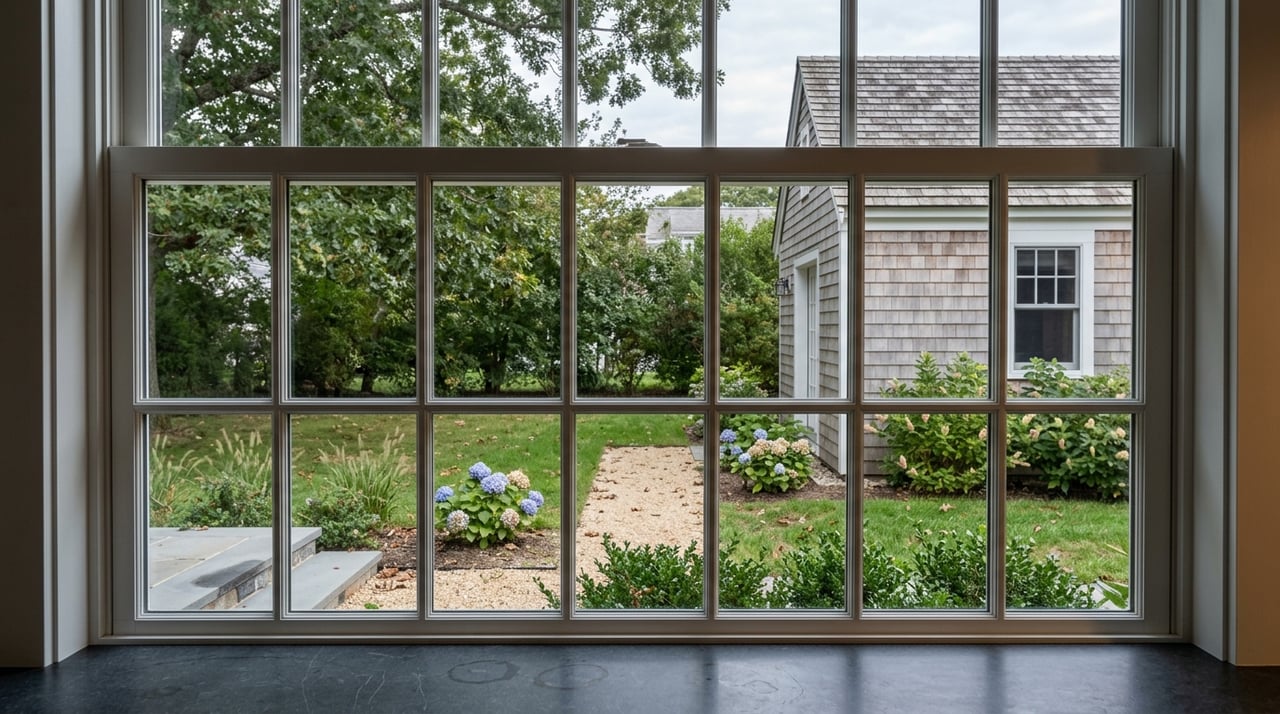
Outdoor design carries just as much weight as the house itself. In Chilmark, broad lawns and highly formal landscaping can feel out of step with the setting, especially near ponds, wetlands, and coastal areas. Native planting strategies tend to align better with both the landscape and the town’s preservation mindset.
Massachusetts coastal landscaping guidance recommends native plants and rain-garden species that can tolerate both wet and dry conditions. State stormwater guidance also notes that replacing lawn with native plantings can help absorb rainfall and reduce runoff. In practical terms, that means your landscape can do more than look good. It can help support drainage, reduce maintenance, and protect the site.
A restrained landscape plan may include:
- Native planting buffers instead of large lawn areas
- Plant selections suited to coastal conditions
- Rain-friendly planting zones where runoff is a concern
- Simple paths and outdoor gathering areas that do not dominate the lot
- Fewer accessory features, kept visually subordinate to the main house
Wetlands And Water Shape Design Decisions
In Chilmark, site work near water deserves extra attention. The Conservation Commission administers the state wetlands law and local wetlands bylaws across wetlands, coastal banks, beaches, tidal flats, streams, and related resource areas. A 2026 bylaw change also extended oversight of wetland buffer zones.
That affects more than major construction. Landscaping, grading, drainage work, and additions near sensitive areas may be more likely to trigger review than they would in a typical inland market. If your property is near a pond, shoreline, or wetland resource area, early planning is essential.
Water management also matters because most Martha’s Vineyard properties rely on onsite wastewater treatment. In and around Chilmark, watersheds tied to Chilmark Pond, James Pond, Menemsha Pond, Squibnocket Pond, and Tisbury Great Pond are part of the broader local water system. That makes drainage, septic capacity, and runoff control part of the real design brief, not an afterthought.
Refreshing Older Homes With Restraint
Many older up-island homes have tremendous appeal, but updating them requires discipline. Chilmark’s bylaws allow some nonconforming structures to be expanded or altered if setback and height requirements are met, though some projects may still require a special permit. In the Shore Zone, the rules are tighter, with limits on additions and restrictions on uses such as swimming pools and tennis courts.
That local framework supports selective upgrades over a full-scale remake. If you want to refresh an older home while preserving value and market appeal, the strongest moves are often the simplest. Think a calmer primary suite, better storage, improved circulation, a modest screened porch, and exterior materials chosen to weather well.
This kind of planning respects both the home and the town. It can also help preserve scenic qualities, reduce visual clutter, and avoid overbuilding a site that is meant to remain legible as part of the natural landscape.
Compliance Is Part Of Good Design
In Chilmark, compliance and design are closely connected. A home may look beautifully finished, but if it overlooks septic documentation, buffer-zone concerns, or site limitations, it can become harder to sell or operate smoothly. That is especially true for second-home owners who want a property to be both enjoyable and easy to manage from afar.
For septic planning, Massachusetts Title 5 governs septic systems, and Martha’s Vineyard Commission materials note that Chilmark has local supplements and requires septic inspections at sale or transfer. Since most Island properties rely on onsite wastewater treatment, system capacity and documentation can influence both design decisions and resale readiness.
If you plan to rent the home seasonally, rental compliance matters too. Massachusetts requires many short-term rental operators and intermediaries to register through MassTaxConnect, and the state notes that cities and towns may also have their own requirements. Because Chilmark’s 2026 short-term-rental bylaw proposal was tabled, current local rules should be verified before you assume any draft rules are in effect.
What Buyers And Owners Value Most
In a market like Chilmark, the strongest property story is usually not spectacle. It is a house that feels settled, durable, and well considered. Buyers and owners tend to respond to homes where the finishes are calm, the site work makes sense, and the property reflects an understanding of how coastal ownership really works.
That includes features such as:
- Coastal-appropriate exterior materials
- Well-planned drainage and runoff control
- Septic readiness and documentation
- Outdoor spaces that fit the house and site
- Native landscaping with lower visual and maintenance impact
- Smart, modest additions instead of oversized expansions
These choices support day-to-day enjoyment, but they also strengthen how a home is perceived in the market.
A Better Way To Think About Chilmark Luxury
The best Chilmark retreat does not try to overpower the landscape. It takes cues from the town’s rural and coastal character, uses durable materials, and treats environmental and regulatory realities as part of the property’s value. When you design that way, luxury feels calmer, more authentic, and often more lasting.
If you are considering a purchase, renovation, sale, or seasonal rental strategy in Chilmark, working with an advisor who understands both presentation and operations can make a meaningful difference. For tailored guidance on up-island properties, renovation positioning, and seasonal ownership, request a private consultation with Susan Anson.
FAQs
What does quiet luxury mean for a Chilmark home?
- In Chilmark, quiet luxury usually means restrained design, natural-looking materials, durable coastal detailing, and a home that feels in balance with the landscape rather than dominant over it.
Why are screened porches a good fit for Chilmark properties?
- A screened porch can extend living space while preserving the seasonal, indoor-outdoor character that suits Chilmark’s architecture and coastal setting.
Do wetlands rules affect home updates in Chilmark?
- Yes. Chilmark’s Conservation Commission oversees wetlands and related resource areas, and buffer-zone oversight can affect additions, landscaping, drainage work, and site changes near sensitive areas.
Are older homes in Chilmark easy to expand?
- Not always. Some nonconforming structures may be altered or expanded if they meet certain requirements, but special permits may still be needed, and Shore Zone rules are more restrictive.
Why does septic planning matter for Chilmark resale?
- Because most Island properties rely on onsite wastewater treatment, septic capacity, inspection requirements, and documentation can affect design choices, buyer confidence, and readiness for sale or transfer.
What should seasonal rental owners in Chilmark verify?
- If you plan to rent seasonally, you should confirm Massachusetts registration requirements and verify any current local Chilmark rules before assuming a draft bylaw applies.