If you are searching for a large-acreage property in Chilmark, it is easy to assume more land means more freedom. In practice, luxury estate potential here is shaped by a very specific set of local rules that can affect house size, accessory structures, pool plans, and even where a home can sit on the land. Understanding those rules early can help you avoid expensive surprises and make smarter decisions before you buy. Let’s dive in.
Why Chilmark Feels Different
Chilmark’s zoning and review process are designed to preserve rural character, scenic views, and natural features. When new buildings or structures are reviewed, Article 4 asks the Board of Appeals to consider how siting will protect trees, boulders, watercourses, hills, vistas, water views, and historic locations.
The town also looks at whether a project fits the surrounding area and avoids overburdening the local water supply. For buyers considering a legacy property, that means estate planning is not just about design vision. It is also about how well that vision works within Chilmark’s land-use priorities.
Estate Potential Starts With District Rules
Before you focus on architecture or amenities, you need to know the parcel’s zoning district. In Chilmark, minimum lot size, setbacks, and frontage rules vary by district, and those standards directly affect what can be built.
In Agricultural-Residential Districts I, II-A, II-B, III, and VI, each dwelling or structure other than a barn or silo requires 3 acres dedicated to it, along with 50-foot setbacks. District IV uses 1.5 acres and 25-foot setbacks, while District V uses 2 acres and 35-foot setbacks.
Pre-existing lots and certain smaller lots may follow different setback rules. Lots of 1.5 acres or less generally have 25-foot setbacks, while lots over 1.5 acres but under 3 acres generally have 35-foot setbacks. Lot frontage is generally at least 100 feet.
Why acreage can be misleading
A parcel may look substantial on paper and still have a limited practical building area. Setbacks, frontage, habitat review, and other constraints can reduce the part of the lot that is truly usable for a main residence and supporting structures.
That is why two parcels with similar acreage can offer very different estate potential. The value is often in the build envelope, not just the lot size listed on a brochure or tax record.
Total Living Area Matters
One of the most important Chilmark rules for luxury buyers is that the town limits Total Living Area, not just building footprint. This can come as a surprise if you are comparing the property to other high-end markets where interior square footage is more flexible.
For a 3-acre lot, the by-right Total Living Area limit is 3,500 square feet. Chilmark adds 250 square feet for each additional contiguous acre.
The special-permit cap is higher. On 3 acres, it is 6,000 square feet, with another 250 square feet allowed for each extra contiguous acre.
Here is what that looks like in simple terms:
| Lot Size | By-Right TLA | Special Permit TLA |
|---|---|---|
| 3 acres | 3,500 sq. ft. | 6,000 sq. ft. |
| 4 acres | 3,750 sq. ft. | 6,250 sq. ft. |
| 5 acres | 4,000 sq. ft. | 6,500 sq. ft. |
The bylaw’s definition of Total Living Area is also important. It includes habitable space, basements, lofts, and intermediate floored tiers, while excluding crawl spaces, garage parking areas, attics, enclosed porches, and similar spaces.
Why this affects luxury design
For estate buyers, this rule can shape everything from lower-level layouts to guest accommodations and recreation spaces. A lower level that feels like bonus space elsewhere may count toward the TLA limit in Chilmark.
That makes early planning essential. If you are considering a custom build or major renovation, your design team needs to understand what square footage counts and how that impacts your priorities.
Height and rooflines affect design options
Height rules also influence what a luxury home can become. In Chilmark, flat, shed, and curved roofs are capped at 13 feet, while gabled or hip roofs are capped at 24 feet.
There may be a special permit path up to 28 feet for certain historically compatible dwellings. Barns and silos not built for human occupancy are exempt from the normal height limit.
For buyers drawn to classic Vineyard architecture, that can work well with the local framework. Gabled and hip roof forms fit naturally into the region’s traditional building patterns, while some more modern concepts may face tighter practical limits.
Habitat and natural-resource review can shrink the build area
In Chilmark, environmental constraints can matter just as much as zoning numbers. If a project clears more than one acre in NHESP Core or Priority Habitat, the ZBA must consider whether disturbed area is limited to the smaller of 35 percent or 2 acres of the designated habitat.
This is a major reason a parcel may offer less development flexibility than its acreage suggests. Large tracts can include sensitive areas that narrow the realistic footprint for a house, driveway, outbuildings, or outdoor amenities.
Scenic siting is part of the process
Chilmark’s review process also emphasizes siting that respects the land itself. Trees, hills, boulders, water features, vistas, and water views are not just aesthetic details. They are part of how the town evaluates whether a project belongs on a site.
For luxury buyers, this can be a positive when approached the right way. Thoughtful siting often supports long-term value by protecting the natural qualities that make Chilmark special in the first place.
Guest house potential depends on permit history
Many buyers ask whether a property can support a guest house or second living space. In Chilmark, that answer often depends on permit history as much as lot size.
The current bylaw centers older guest-house and accessory-apartment permits as Protected Use ADUs. If a structure was built under a guest-house or accessory-apartment special permit granted before April 28, 2025, it may be altered or enlarged as a matter of right.
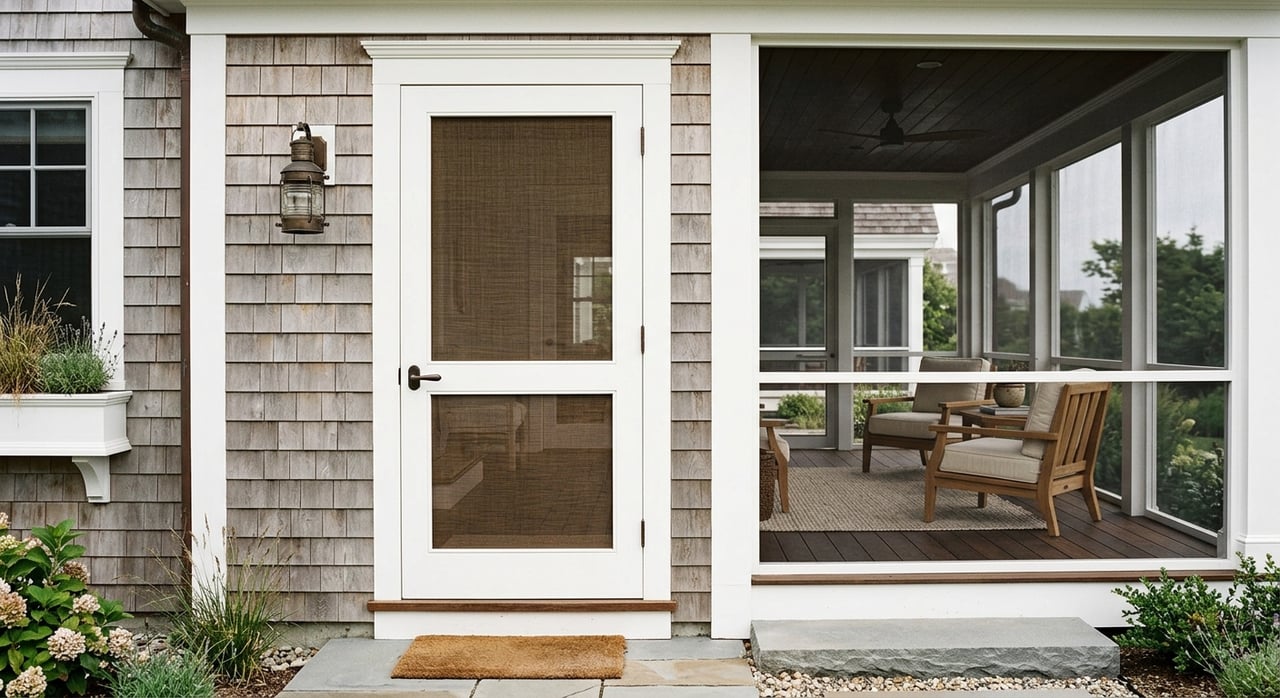
A Protected Use ADU is limited to 900 square feet of gross floor area, plus a screen porch of 200 square feet or less. Only one Protected Use ADU is allowed on a lot.
These units must have a separate entrance and comply with the State Building Code, Title 5, wetlands rules, and local bylaws. They generally cannot be used as short-term rentals unless they were originally approved as guest houses.
Why buyers need a permit paper trail
If guest accommodations are part of your vision, do not rely on assumptions. In Chilmark, the practical value of an extra structure may depend on how it was originally permitted and how that status fits the current bylaw.
That makes document review a key part of due diligence. A property’s existing approvals can be just as important as its acreage or location.
Pool approvals are more involved than many buyers expect
Pools are allowed as accessory uses, but they are tightly controlled. A pool requires a special permit from the ZBA, and the owner must have held the principal dwelling for two years before applying.
The pool, fencing, and related equipment must be at least 50 feet from lot lines. The ZBA may also require line-of-sight observation from a heavily used room or deck, native screening, and sound-insulated or underground mechanicals.
Pools over 10,000 gallons need a Fire Department standpipe. For luxury estate buyers who expect a pool as part of the lifestyle, this is one of the clearest examples of why local timing and approval structure matter.
Barns, studios, and workshops need careful classification
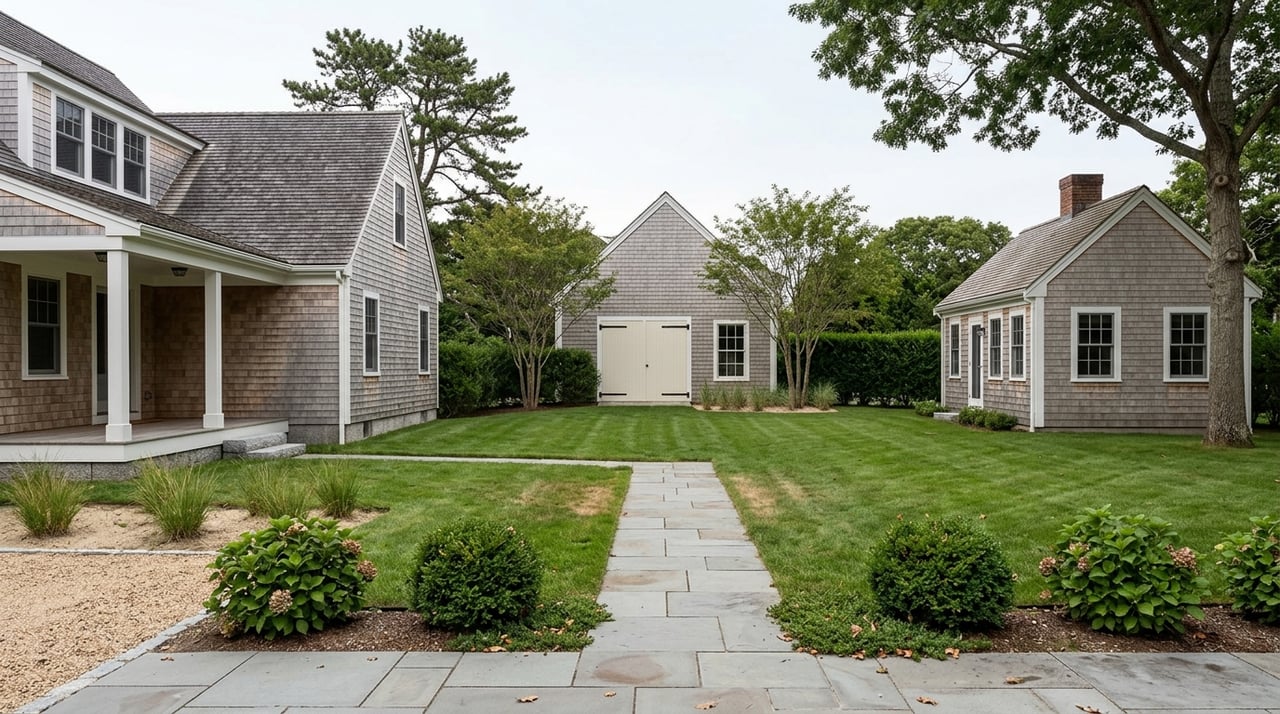
Barns are explicitly permitted in agricultural-residential districts as part of farm and related storage uses. Barns or silos not built for human occupancy are exempt from the normal height cap, which can make them attractive for estate planning.
The key issue is use. If a barn is later converted to habitable space, it may fall under dwelling or ADU rules instead.
Studio and workshop ideas also deserve careful review. The bylaw does not appear to create a standalone studio category, so those spaces are more likely to be reviewed as accessory structures or home occupations unless they include features that make them function like living space.
For home occupations, space is limited to one-third of one floor and 1,500 square feet of total ground coverage across the dwelling and related structures used for the activity. New buildings used for a home occupation must stay 200 feet back from the front line or road, or beyond half the lot depth if the lot is shallower than 400 feet.
How to research feasibility before you buy
In Chilmark, the smartest luxury buyers treat feasibility as part of the acquisition strategy. Before you close, it is worth confirming not just what exists today, but what the property can realistically become.
A strong process usually includes these steps:
- Confirm the zoning district. Use the parcel map, town GIS or tax-map tools, and Site Review materials to determine the district and whether the property is in a district of critical planning concern or another overlay area.
- Start with the Building Department. Chilmark directs applicants to begin the Site Review process there, and the department can refer a project to Site Review if needed.
- Check septic and well capacity early. The Board of Health issues septic permits and regulates private wells, and these issues can directly affect house size and accessory-use plans.
- Review nonconforming status. If setbacks are tight or older structures are involved, review the ZBA’s guidance on setback relief and nonconforming structures before planning changes.
- Budget for consultants. The ZBA may require schematic drawings, a site plan, floor plans, sections, elevations, and may engage architects, engineers, and other consultants at the applicant’s expense.
Why this matters in a luxury purchase
For high-value property, due diligence is not only about avoiding risk. It is also about preserving opportunity. The difference between a parcel that merely looks impressive and one that truly supports your long-term vision often comes down to this early feasibility work.
In Chilmark, acreage is only one piece of the picture. District rules, Total Living Area limits, height restrictions, habitat review, septic capacity, and permit history all shape what luxury estate ownership can look like.
If you are evaluating a Chilmark property and want clear, local guidance on how the rules may affect value, design, or future use, Susan Anson can help you approach the process with insight and confidence.
FAQs
How do Chilmark zoning rules affect luxury estate size?
- Chilmark limits more than just footprint. Lot size, setbacks, height rules, and Total Living Area caps all affect how large a home can be and how it can be designed.
What is the Total Living Area limit for a Chilmark property?
- On a 3-acre lot, the by-right limit is 3,500 square feet, with 250 extra square feet for each additional contiguous acre. The special-permit cap starts at 6,000 square feet on 3 acres and also increases by 250 square feet per extra acre.
Can a Chilmark property include a guest house or ADU?
- It may, but second-dwelling potential often depends on permit history and current ADU status. Protected Use ADUs are limited to 900 square feet, plus a screen porch of 200 square feet or less, and only one is allowed per lot.
Do pools require approval in Chilmark?
- Yes. Pools require a ZBA special permit, the owner must have held the principal dwelling for two years before applying, and the pool area must meet setback and other design requirements.
Why can a large Chilmark parcel have a small build area?
- A parcel can be limited by setbacks, frontage, habitat protections, wetlands-related review, and siting standards that protect natural features and views.
What should buyers check before buying land or a large estate in Chilmark?
- Buyers should confirm the zoning district, review Site Review and overlay issues, check septic and well capacity, understand any nonconforming conditions, and budget for consultants who can assess feasibility early.