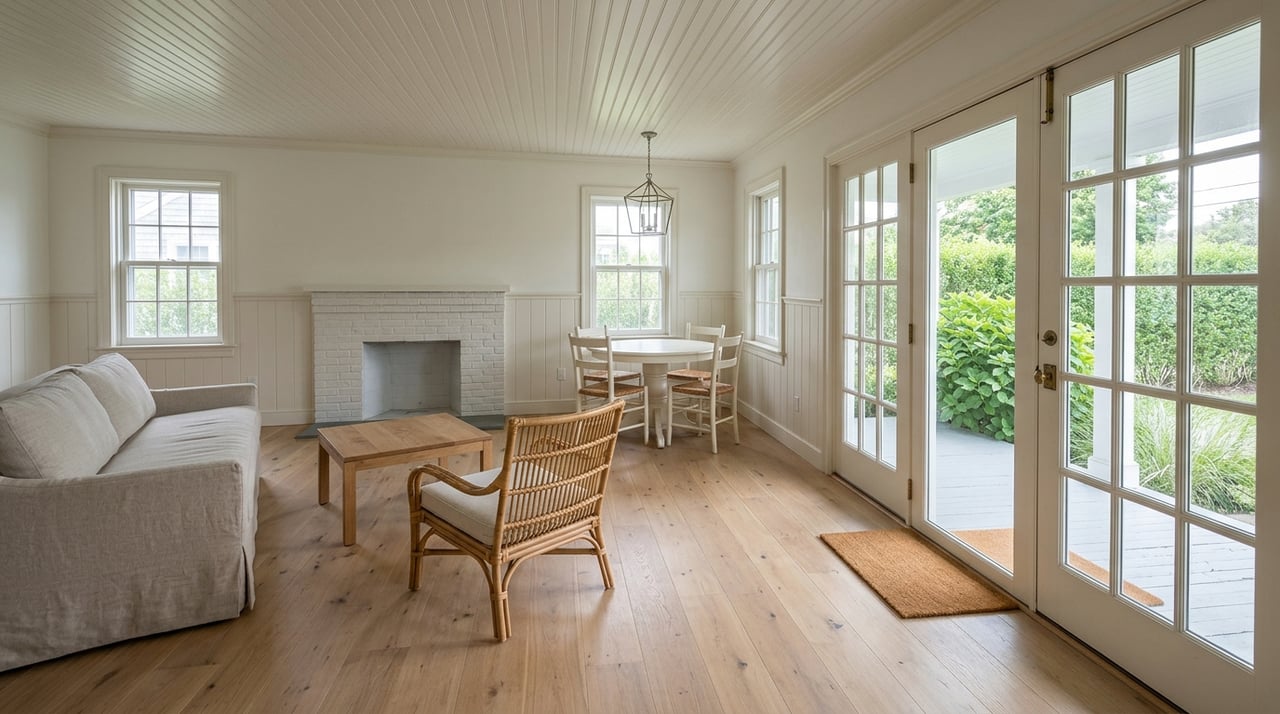
Wondering why some Edgartown Village homes book faster and command stronger rental interest than others? In this market, guests are not just choosing a place to sleep. They are choosing a village experience that feels true to Edgartown while still offering the comfort and ease of a well-run vacation home. If you want to improve rental appeal without losing the character that makes your property special, the right strategy starts with local context. Let’s dive in.
Why Edgartown Village Appeal Is Different
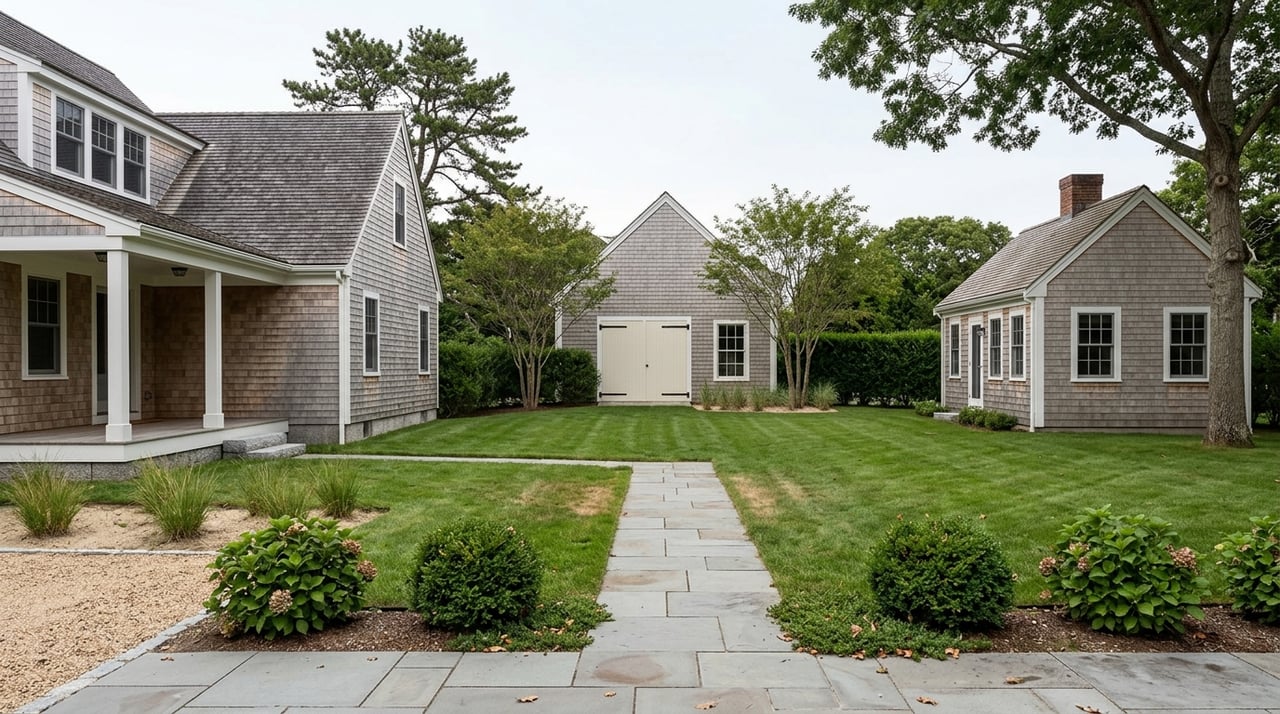
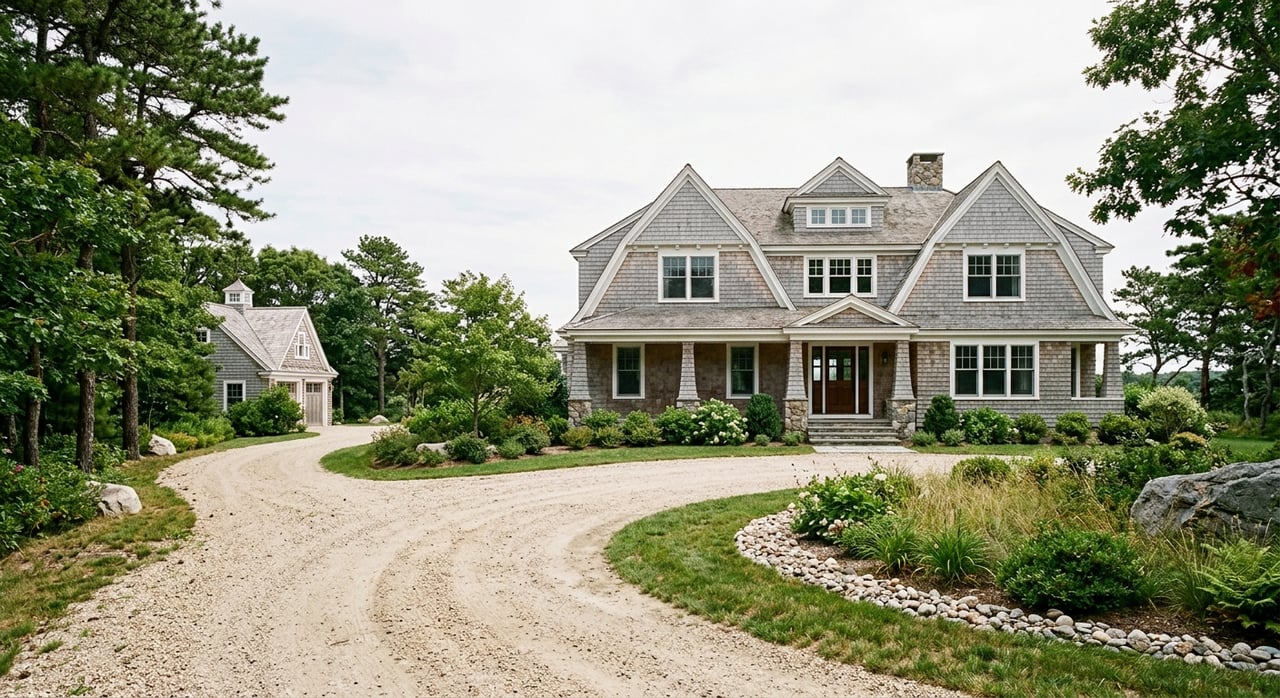
Edgartown is widely presented as a classic New England seaport village with historic charm and modern amenities. That matters because renters often respond to more than square footage or bedroom count. In Village locations, the setting, architecture, and overall feel of the home become part of the value.
The Village Historic District adds another layer. According to the Martha’s Vineyard Commission’s 2024 Edgartown Master Plan, the district has been on the National Register since 1983 and now includes 676 buildings across 185 acres. For owners, that means rental appeal often comes from offering an experience that feels rooted in place, not generic.
Lead With Character and Comfort
The strongest Village rentals usually balance two things well. They preserve historic character on the outside and deliver polished, practical hospitality inside. That combination aligns closely with how Edgartown itself is described: old-world charm paired with modern amenities.
For you, this can shape every decision, from staging to listing photos. A home with original details, thoughtful furnishings, and a comfortable flow tends to feel more memorable than one that leans too hard on trend-driven design. Guests want a stay that feels elevated, but also easy.
Preserve What Makes the Home Distinct
Edgartown’s Historic District Guidelines favor preservation over replacement when possible. Existing windows and doors should be repaired rather than replaced when feasible, and replacement elements are expected to match the original structure and style closely.
The guidelines also encourage retaining original siding, porches, and entry details. Natural materials such as wood, wood shingles, clapboard, brick, glass, and stone are preferred over vinyl, plastic, and aluminum. If your goal is to strengthen rental appeal, these details are not small. They help reinforce the authentic Village setting renters are paying for.
Upgrade the Interior Experience
Historic character alone is not enough for a premium rental. Guests also expect interiors that feel clean, functional, and current. That means comfortable seating, a practical kitchen setup, working locks, quality linens, towels, soap, and other everyday essentials.
Airbnb’s host guidance notes that guests often focus on photos, descriptions, reviews, amenities, and pricing. It also identifies commonly searched amenities such as pool, wifi, free parking, kitchen, hot tub, air conditioning, washer, and self check-in. You do not need every feature, but you do need to make the home easy to enjoy.
Work Within Historic District Rules
If your home is in the Village Historic District, design decisions should begin with the review rules. Exterior changes visible from a public way, park, or body of water must be reviewed. That can include windows, doors, roofs, additions, fences, walls, driveways, sidewalks, decks, and changes in grade.
Landscaping is generally not reviewed, but there are important exceptions. Grade changes, outside HVAC equipment, and yard structures such as fences, swimming pools, play houses, and pergolas may require review. Roof-top HVAC and other mechanical elements should also be kept out of view.
Focus on Reversible Improvements
Because visible exterior work can trigger review, many owners get better results from reversible upgrades. Furnishings, lighting, accessories, and landscape styling can improve guest experience without changing the historic fabric of the property.
This approach is especially useful for owners who want to strengthen appeal before a rental season. A well-furnished porch, sharper exterior presentation, and better outdoor dining setup can have a meaningful impact without requiring major structural changes.
Treat Porches as a Signature Feature
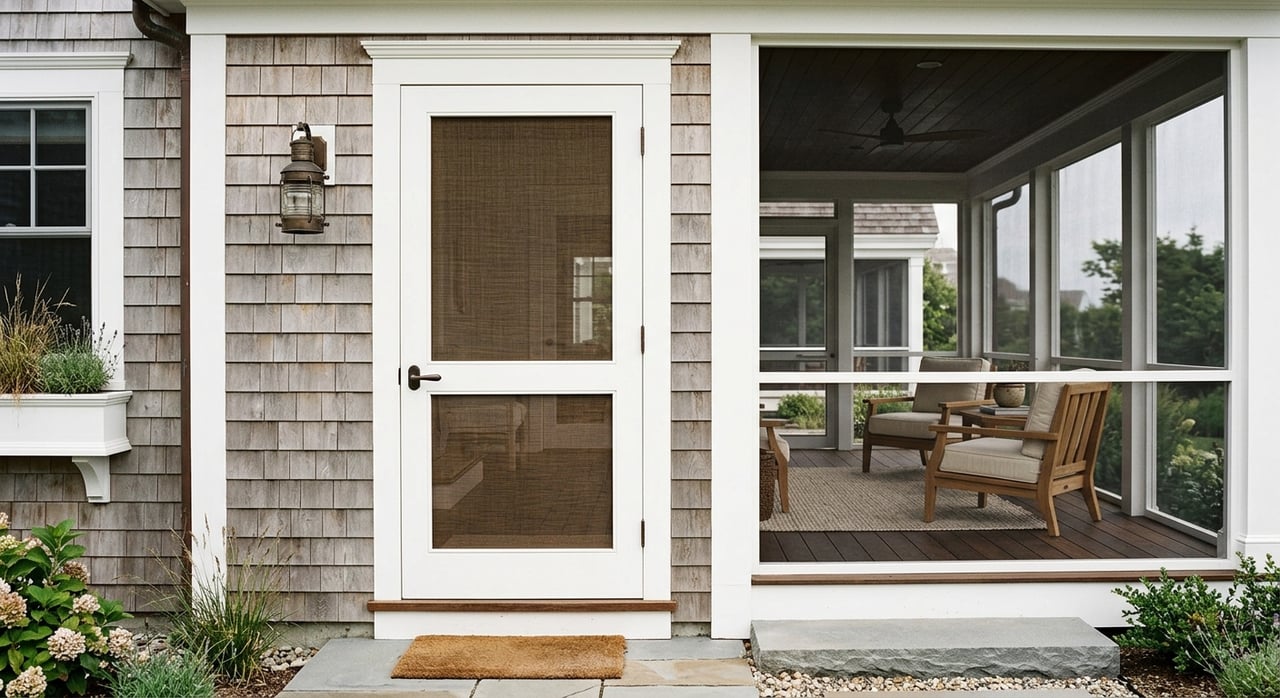
In Edgartown Village, porches often do a lot of work. The guidelines say porches and entry steps should be retained or replicated in kind, and open porches should not be enclosed or glazed.
That makes the porch one of your best tools for rental appeal. If the home has one, treat it like a destination space. Comfortable seating, a clear gathering layout, and a visual connection to the rest of the house can make the property feel more welcoming and more useful during summer stays.
Make Layout and Sleeping Details Clear
Premium guests want clarity. Your listing should explain the floor plan honestly, including where bedrooms are located, what bed sizes are offered, and how privacy works within the home.
That advice is supported by Airbnb’s photo and listing guidance, which recommends organizing images by room and using captions that explain details guests might otherwise have to guess. In a high-value rental, vague descriptions can create confusion and weaken confidence.
Match Marketing to Real Capacity
This point matters in Edgartown. The town’s zoning bylaw defines a short-term rental as a rental for not more than 31 consecutive calendar days. The bylaw also ties approvals in certain cases to wastewater capacity, and Title 5 limits cannot be exceeded.
In practical terms, you should not market sleeping arrangements beyond what the property can legally and functionally support. Inflating occupancy may create compliance issues and can undermine guest trust. Accurate representation is always the stronger long-term strategy.
Use Outdoor Living to Add Value
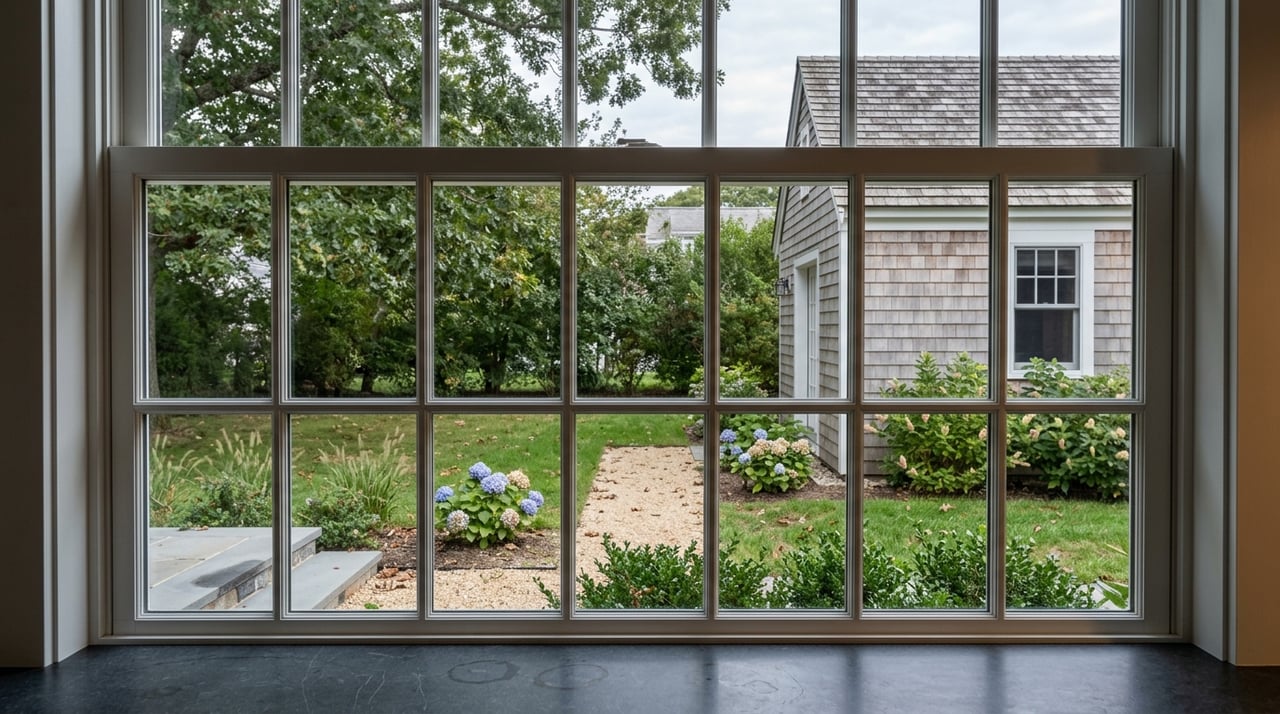
Outdoor living is a major part of the Martha’s Vineyard rental experience. In Edgartown Village, the most effective outdoor spaces often feel integrated with the architecture rather than added on as a separate concept.
Because decks, pools, pergolas, fences, and some exterior features may require review, many owners can create more value through layout and furnishing choices. Shaded dining, clear circulation from kitchen to porch or patio, and comfortable seating areas can make the home feel more complete without overbuilding.
Prioritize Easy Summer Use
Think about how guests actually move through the property. Can they carry food easily from the kitchen to an outdoor table? Is there a natural place to gather in the morning or after the beach? Do the outdoor spaces feel finished and easy to understand?
These practical details often matter as much as larger improvements. A simple, polished setup can photograph well, support stronger reviews, and help guests feel immediately at home.
Treat Photography as a Revenue Tool
In a premium rental market, photography is not optional. It shapes first impressions, sets expectations, and influences whether a guest keeps scrolling or decides to book.
Airbnb recommends cleaning, decluttering, highlighting unique features, using soft natural light, shooting rooms from different perspectives, and creating a clear photo tour with helpful captions. Vrbo likewise emphasizes sharp, well-lit, high-resolution horizontal images and discourages blurry, duplicated, or text-heavy photos.
Show the Home in a Clear Story
Your photos should tell a complete story of the house. Lead with the spaces that define the stay, such as the exterior setting, porch, kitchen, outdoor dining, principal bedrooms, and any standout historic details.
This matters even more in Edgartown Village, where atmosphere is part of the product. If your home has original millwork, gracious entry details, a classic façade, or a strong indoor-outdoor connection, those features should be visible in the listing presentation.
Use Professional Standards
Airbnb reports that high-quality professional photos are one of the biggest factors guests consider when deciding what to book. The platform has also reported higher average earnings and booking volume for hosts using its professional photography program over the following year, although results vary.
For seasonal owners, the takeaway is simple. Photography should be handled like part of your marketing strategy, not as an afterthought. Fresh images after staging updates or property improvements can help the listing stay competitive.
Stay Current on Compliance Basics
A beautiful listing still needs a solid operating foundation. Edgartown increased its local room occupancy excise from 4% to 6% effective January 1, 2025. The Massachusetts room occupancy excise is 5.7%, and the town notes that the rate in effect at the time of occupancy applies regardless of booking date.
Massachusetts also requires short-term rental operators to carry at least $1,000,000 in liability insurance. The state maintains a public registry of lodging operators, and lodging that must pay occupancy tax must register with the state.
Why Local Oversight Matters
For remote or seasonal owners, these details can be easy to miss. Accurate listings, current photos, well-managed turnovers, and attention to taxes, insurance, and operating standards all affect how your property performs.
That is one reason local management can add real value. A hands-on local partner can help keep the home presented at a premium level while also supporting the day-to-day details that protect the guest experience.
A Smart Strategy for Village Owners
If you own a home in Edgartown Village, the best rental strategy is usually not to make it look like every other coastal listing. It is to make the home feel unmistakably of Edgartown while removing friction for guests.
That means preserving the details that give the property its identity, investing in comfort and clarity, and presenting the home with strong photography and honest information. When those pieces work together, your listing is better positioned to stand out in a premium market.
If you want help preparing, positioning, or managing your Edgartown Village rental, Susan Anson offers owner-led guidance backed by local market knowledge, staging insight, and hands-on vacation rental experience.
FAQs
What makes an Edgartown Village rental more appealing to guests?
- Guests often respond to a mix of authentic historic character, modern comfort, clear listing details, and strong photography.
What exterior changes to an Edgartown Village home may require review?
- Exterior changes visible from a public way, park, or body of water may require review, including windows, doors, roofs, additions, fences, walls, driveways, sidewalks, decks, and changes in grade.
What amenities matter most in a premium vacation rental listing?
- Frequently searched amenities include wifi, free parking, kitchen access, air conditioning, washer, self check-in, pool, and hot tub, along with basics like linens, towels, soap, and working locks.
What should an Edgartown short-term rental listing say about sleeping capacity?
- Your listing should describe sleeping arrangements accurately and should not exceed the property’s real legal and wastewater capacity.
Why is professional photography important for Edgartown rentals?
- High-quality photos help attract attention, set expectations, highlight unique features, and can improve booking performance in a competitive premium market.
What taxes and insurance should Edgartown rental owners know about?
- Edgartown’s local room occupancy excise is 6% effective January 1, 2025, Massachusetts adds a 5.7% room occupancy excise, and short-term rental operators in Massachusetts must carry at least $1,000,000 in liability insurance.